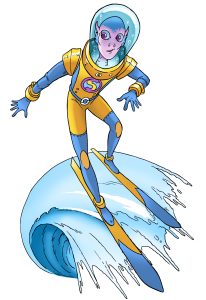
Aqua has a huge responsibility for our natural global bodies of water . Teacher Support Info
Oceans
1.Oceans
Coverage: Oceans cover about 71% of the Earth’s surface and contain about 97% of the planet’s water.
Importance: They regulate the global climate, absorb carbon dioxide, and are home to diverse ecosystems, including coral reefs, which are some of the most biodiverse habitats on Earth.
Threats: Overfishing, pollution (plastic, chemicals, oil spills), climate change (leading to ocean acidification and rising temperatures), and habitat destruction.
Seas
2. Seas
Examples: Mediterranean Sea, Black Sea, Coral Sea, Red Sea.
Importance: Seas often have unique ecosystems, some of which are critical to migratory species. They also play a vital role in human activities like transportation, fishing, and tourism.
Threats: Pollution, overfishing, invasive species, and coastal development.
Rivers
3. Rivers
Examples: Amazon, Nile, Yangtze, Mississippi.
Importance: Rivers provide freshwater, support biodiversity, and are vital for agriculture, industry, and transportation.
Threats: Pollution (industrial, agricultural runoff), damming, water extraction, habitat destruction, and climate change-induced alterations in flow.
Lakes
4. Lakes
Examples: Lake Superior, Lake Victoria, Lake Baikal, the Great Lakes.
Importance: Lakes are critical freshwater resources, support unique ecosystems, and are essential for drinking water, irrigation, and recreation.
Threats: Pollution, invasive species, eutrophication (nutrient loading leading to algae blooms), and climate change affecting water levels and temperature.
Wetlands
5. Wetlands
Examples: Everglades, Pantanal, Okavango Delta.
Importance: Wetlands act as natural water filters, flood control systems, and carbon sinks. They are also crucial habitats for many species, including migratory birds.
Threats: Drainage for agriculture, urban development, pollution, and climate change.
Mangroves
6. Mangroves
Locations: Coastal regions in the tropics and subtropics, such as Southeast Asia, the Caribbean, and parts of Africa.
Importance: Mangroves protect coastlines from erosion, provide nursery habitats for marine life, and store large amounts of carbon.
Threats: Coastal development, aquaculture (especially shrimp farming), deforestation, and pollution.
Coral Reefs
7. Coral Reefs
Examples: Great Barrier Reef, Belize Barrier Reef, Red Sea Coral Reef.
Importance: Coral reefs support a quarter of all marine species, protect coastlines, and are crucial for local economies through tourism and fishing.
Threats: Climate change (bleaching due to rising sea temperatures), ocean acidification, overfishing, and pollution.
Glaciers and Ice Caps
8. Glaciers and Ice Caps
Locations: Antarctica, Greenland, the Himalayas, Alps.
Importance: They store the majority of the Earth’s freshwater and regulate sea levels. They also provide fresh water to rivers during the dry season.
Threats: Global warming leading to accelerated melting, which contributes to rising sea levels and loss of freshwater resources.
Ground Water and Aquifers
9. Groundwater Aquifers
Examples: Ogallala Aquifer, Guarani Aquifer.
Importance: Groundwater provides drinking water for billions of people and is essential for agriculture.
Threats: Over-extraction, pollution from agriculture and industry, and contamination from saltwater intrusion.
Estuaries
10. Estuaries
Examples: Chesapeake Bay, San Francisco Bay, Ganges-Brahmaputra Delta.
Importance: Estuaries serve as nurseries for many marine species, buffer zones against storms, and are highly productive ecosystems.
Threats: Pollution, land reclamation, overfishing, and climate change-related sea-level rise.
Polar Ice and Arctic Waters
11. Polar Ice and Arctic Waters
Locations: Arctic Ocean, Southern Ocean around Antarctica.
Importance: Polar ice regulates the Earth’s temperature and sea levels, while Arctic waters support unique ecosystems.
Examples: Hoover Dam (Lake Mead), Three Gorges Dam (Yangtze River).
Importance: Reservoirs are critical for water storage, flood control, and hydropower.
Threats: Sedimentation, ecosystem disruption, and changes in water temperature and flow patterns.
=
Underground Rivers and Caves
13. Underground Rivers and Caves
Examples: Cenotes in Mexico, Waitomo Caves in New Zealand.
Importance: These are unique ecosystems that often harbor rare species and are crucial for groundwater systems.
Threats: Pollution, over-extraction, and tourism-related damage.
Salt Water Lagoons and Bays
14. Saltwater Lagoons and Bays
Examples: Laguna Madre, Chesapeake Bay.
Importance: Provide important habitats for fish, birds, and other wildlife; often support fishing and tourism industries.
Threats: Pollution, eutrophication, and habitat destruction.
Each of these water bodies plays a crucial role in sustaining life on Earth. Conservation efforts are necessary to protect them from the multiple threats they face, ensuring their availability and health for future generations.
Manmade Bodies of Water
Reservoirs
Reservoirs
Examples: Lake Mead (USA), Three Gorges Reservoir (China), Aswan High Dam Reservoir (Egypt).
Purpose: Reservoirs are created by damming rivers to store water for drinking, irrigation, flood control, and hydroelectric power generation.
Importance: They provide essential water resources for agriculture, drinking water, and energy production. They also support recreational activities and can create new habitats for wildlife.
Threats: Sedimentation, which reduces storage capacity; water pollution from agricultural runoff and industrial waste; changes in water temperature and flow that can affect aquatic ecosystems; and the potential for dam failure.
Canals
Canals
Examples: Panama Canal, Suez Canal, Erie Canal.
Purpose: Canals are constructed for transportation, irrigation, drainage, and connecting different water bodies.
Importance: They are vital for global trade, enabling the transport of goods between oceans and seas. Irrigation canals are crucial for agriculture, particularly in arid regions.
Threats: Pollution from ships, invasive species, erosion of canal banks, and sediment buildup that can hinder navigation. Irrigation canals may also suffer from water loss due to leaks and evaporation.
Artificial Lakes
Artificial Lakes
Examples: Lake Kariba (Zimbabwe/Zambia), Lake Volta (Ghana), Salton Sea (USA).
Purpose: Artificial lakes are created for various purposes, including recreation, flood control, water storage, and hydroelectric power generation.
Importance: They provide water for cities and agriculture, support fisheries, and offer recreational opportunities.
Threats: Pollution, eutrophication (excessive nutrients leading to algal blooms), habitat disruption for wildlife, and fluctuating water levels due to human management and climate change.
Ponds
Ponds
Examples: Koi ponds, farm ponds, retention ponds.
Purpose: Ponds are created for aquaculture, water retention, aesthetic purposes, and wildlife habitats.
Importance: Ponds support local biodiversity, help manage stormwater, and can be critical in agricultural settings for livestock and crop irrigation.
Threats: Pollution from agricultural runoff, invasive species, siltation, and eutrophication.
Examples: Roman Aqueducts, California Aqueduct (USA), Aqueduct of Segovia (Spain).
Purpose: Aqueducts are constructed to transport water from one location to another, often over long distances.
Importance: They are essential for supplying water to cities, agriculture, and industrial areas, particularly in regions where water is scarce.
Threats: Structural degradation over time, water loss through leaks, contamination of water during transport, and potential impact on natural water sources and ecosystems.
Examples: Hoover Dam (USA), Itaipu Dam (Brazil/Paraguay), Akosombo Dam (Ghana).
Purpose: Dams are built to control water flow, create reservoirs, generate hydroelectric power, and manage flood risks.
Importance: Dams provide water storage, flood protection, and renewable energy. They also create reservoirs that can support biodiversity and recreational activities.
Threats: Disruption of natural river ecosystems, sediment buildup in reservoirs, displacement of communities, and the potential for dam failure, which can lead to catastrophic flooding.
Purpose: These systems are designed to supply water to agricultural fields, ensuring consistent crop growth, particularly in arid and semi-arid regions.
Importance: Irrigation is crucial for global food production, enabling the cultivation of crops in regions that would otherwise be too dry for agriculture.
Threats: Water wastage through inefficient systems, soil salinisation due to over-irrigation, and depletion of local water sources.
Examples: Port of Rotterdam (Netherlands), Port of Shanghai (China), the River Thames (London).
Purpose: Waterways are often modified or created to facilitate transportation, commerce, and industry. Harbors are constructed or expanded to serve as safe docking and handling areas for ships.
Importance: They are critical for global trade, transportation, and economic activities. They also support local economies through tourism and fisheries.
Threats: Pollution from shipping and industrial activities, habitat destruction, and the introduction of invasive species through ballast water.
Purpose: These are designed for raising fish and other aquatic species for food, recreation, or ornamental purposes.
Importance: They contribute significantly to global food security and local economies, particularly in areas where traditional fishing may be unsustainable.
Threats: Pollution from feed and waste, the spread of diseases, escape of farmed species into the wild, and excessive water use.
Examples: Reefs created from sunken ships, concrete structures, and purpose-built materials.
Purpose: Constructed to promote marine life, enhance fisheries, and support recreational diving.
Importance: They help restore damaged marine ecosystems and provide new habitats for aquatic life.
Threats: Structural degradation, pollution, and unintended ecological impacts if not carefully planned.
Conserving these manmade bodies of water is crucial for sustaining the benefits they provide to ecosystems and human communities. Effective management, pollution control, and maintenance are necessary to ensure their continued viability and ecological health.