


Regenerative Economy

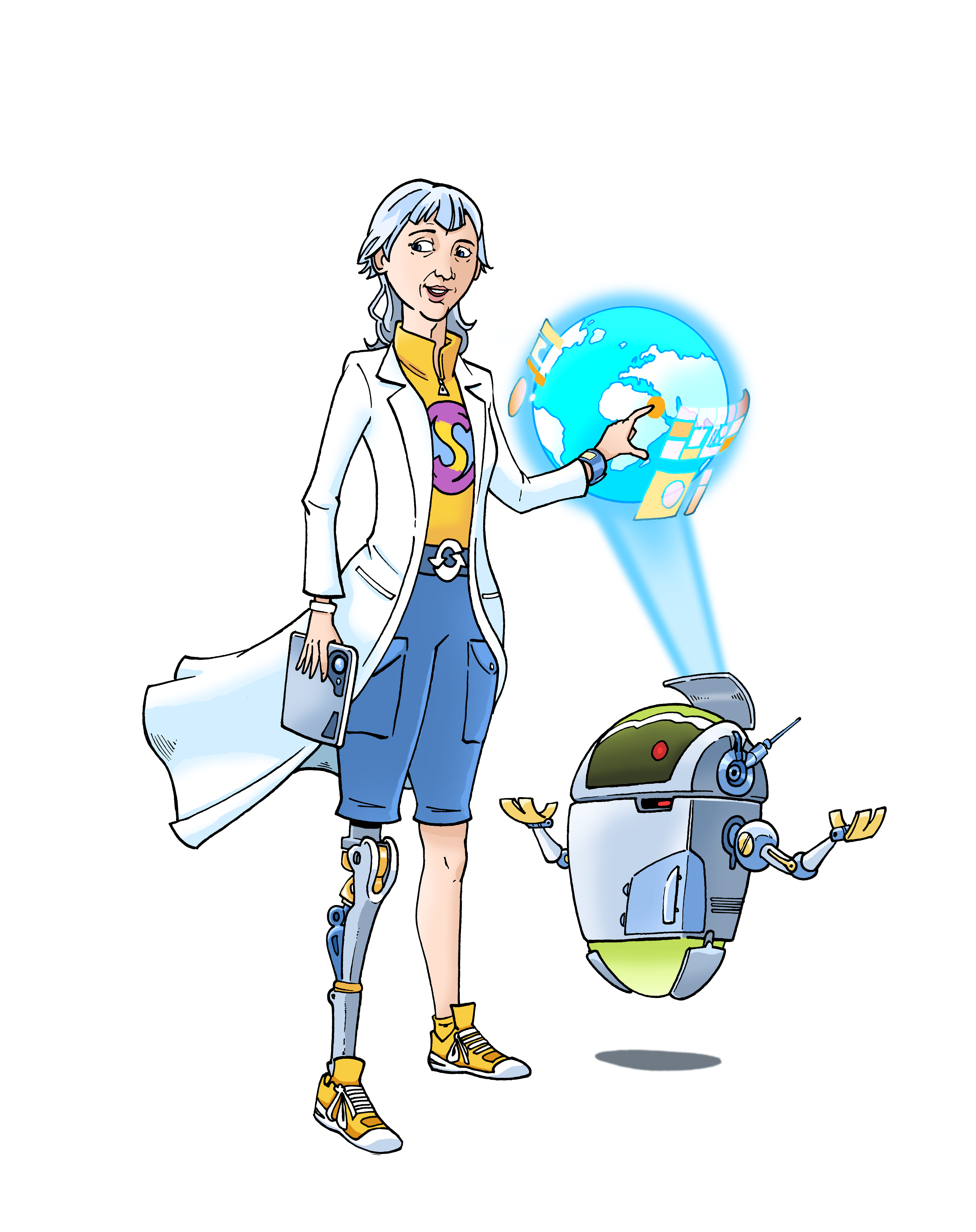
Systo will take you on the journey of the links to how nature and industry ca inspire each other .

Key Principles of the Regenerative Economy

The regenerative economy is an economic framework designed to restore and regenerate natural, social, and economic systems rather than deplete or exploit them. It is grounded in principles of sustainability, circularity, and holistic well-being, seeking to create long-term prosperity for both people and the planet. Unlike the traditional extractive economy, which prioritiSes short-term profit often at the expense of natural and human capital, the regenerative economy focuses on

Regenerating Natural Systems

Enhancing ecosystems by restoring soil health, improving biodiversity, and supporting renewable energy sources. Utilising resources in a way that allows natural systems to replenish and thrive.
Systems Thinking

Viewing the economy as interconnected with ecological and social systems. Addressing root causes of issues rather than symptoms, fostering resilience and adaptability.

Circular Economy Practices

Prioritizing reuse, recycling, and upcycling to minimize waste. Designing products and systems with the end-of-life in mind, creating closed-loop systems that eliminate the concept of waste.

Local and Community-Centered Approaches

Emphasising local solutions and economies that empower communities to take ownership of their development. Reducing dependence on global supply chains that may be exploitative or unsustainable.


Regenerative Practices

Examples of Regenerative Practices

  • Regenerative Agriculture: Farming methods that build soil health, sequester carbon, and increase biodiversity, such as crop rotation, vertical farming, agroforestry, and holistic grazing.
  • Renewable Energy: Transitioning to wind, solar, and other renewable sources to reduce reliance on fossil fuels.
  • Social Enterprises: Businesses designed to address social or environmental challenges while generating economic returns.
  • Rewilding and Conservation: Initiatives to restore natural habitats and protect wildlife, land, air and water.

Why is the Regenerative Economy Important?

  1. Environmental Crisis Mitigation: It offers solutions to climate change, biodiversity loss, and resource depletion by prioritising restorative practices.
  2. Social Stability: By addressing inequalities and focusing on community well-being, the regenerative economy reduces societal tensions and promotes inclusivity.
  3. Economic Resilience: Regenerative systems are better equipped to handle disruptions, such as supply chain breakdowns or environmental disasters.

UN SDG's and Regenerative Economy

The regenerative economy aligns closely with the United Nations Sustainable Development Goals (SDGs) by addressing interconnected environmental, social, and economic challenges. It supports the transition from extractive, linear systems to restorative, circular, and inclusive practices, directly contributing to multiple SDGs. Below is an outline of how the regenerative economy supports specific SDGs:

SDG 2: Zero Hunger


  • Promotes regenerative agriculture that improves soil health, increases biodiversity, and enhances food security.
  • Supports sustainable food systems that reduce waste and prioritize local production.
SDG 3: Good Health and Well-Being


  • Enhances mental and physical well-being through practices like urban greening and reconnecting people with nature.
  • Reduces pollution and improves air and water quality, leading to healthier living conditions.
SDG 6: Clean Water and Sanitation


  • Restores natural water cycles through regenerative land-use practices and improved watershed management.
  • Promotes efficient water use and pollution prevention.
Affordable and Clean Energy
  • Drives the adoption of renewable energy systems, reducing reliance on fossil fuels.
  • Encourages decentralized energy solutions, increasing access in underserved communities.
Professor S
Decent Work and Economic Growth
  • Creates green jobs and supports sustainable entrepreneurship.
  • Encourages equitable economic models that prioritize long-term resilience over short-term profit.
Systo-colour
SDG 9: Industry, Innovation, and Infrastructure
  • Promotes circular economy practices in industry, fostering innovation in sustainable materials and design.
  • Encourages resilient infrastructure development that integrates ecological considerations.
SDG 11: Sustainable Cities and Communities
  • Supports the development of green cities with sustainable housing, transportation, and waste management.
  • Encourages community-driven initiatives that restore local ecosystems.
SDG 12: Responsible Consumption and Production
  • Focuses on designing out waste and keeping resources in use through repair, reuse, and recycling.
  • Shifts consumption patterns toward more sustainable and regenerative products.
SDG 13: Climate Action
  • Reduces greenhouse gas emissions by promoting renewable energy, regenerative agriculture, and carbon sequestration.
  • Enhances resilience to climate impacts through ecosystem restoration and local adaptation strategies.
Shelly pose2 colour copy


SDG 14: Life Below Water
  • Supports sustainable fisheries and ocean conservation through practices like marine habitat restoration.
  • Reduces plastic pollution and nutrient runoff, benefiting marine ecosystems.
SDG 15: Life on Land
  • Advances reforestation, afforestation, and soil regeneration to restore degraded ecosystems.
  • Promotes biodiversity conservation and sustainable land use.
SDG 16: Peace, Justice, and Strong Institutions
  • Encourages inclusive decision-making and equitable resource distribution, reducing social inequalities.
  • Supports frameworks for sustainable governance and community empowerment.
SDG 17: Partnerships for the Goals
  • Builds collaborative networks among governments, businesses, and communities to implement regenerative solutions.
  • Promotes knowledge-sharing and capacity-building to scale best practices globally.
Summary of Key SDGs Supported by the Regenerative Economy
  • Environmental Goals: SDG 6, 7, 13, 14, 15
  • Social Goals: SDG 2, 3, 11, 16
  • Economic Goals: SDG 8, 9, 12, 17
Our Hope

That The regenerative economy transforms these goals into actionable frameworks by addressing root causes of un-sustainability while fostering resilience, equity, and ecological health. By adopting regenerative practices, individuals, businesses, and governments can accelerate progress toward achieving the SDGs and ensuring a thriving future for people and the planet.

Scroll to Top