






Welcome To Our Newsletter

Blog Page
&
JOT
Just One Thing you can do
for
Our
Planet Today

Newsletters For Learners 2025- 2026
supporting activities for Young People in primary to lead

Our New Newsletter For Learner Leaders is live 


Great For your Green Team and Eco Schools 

Please register on our website 

May 2026

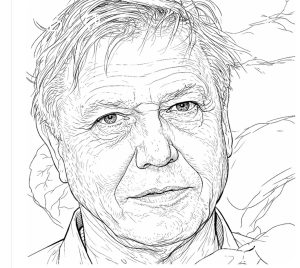
100 Years of David Attenborough 

Newsletter is Live

Share the newsletter in every class 

This month is an introduction for Leaders.  

Jan/ Feb/ March /April May/ June 2026

Our June 2026 issue will be World Cup Football featured

Newsletters 2025

David Attenborough Resources

Visit our Famously Sustainable  Pages 

for David and others 

Newsletters 2025- 2026

Adults

September 2025
October 2025
November 2025
December 2025

December newsletter in live 

“Great Elf on the shelf”

ideas 

January 2026
February 2026

Just One Thing

One Small Action, 

Big Impact: Composting at Home – Even in the City

When it comes to helping the planet, it’s often the simplest changes that make the biggest difference. One of the most effective things you can do at home—whether you live in a rural cottage or a high-rise flat—is start composting your food waste.


Why Composting Matters

Every banana peel, coffee ground, or carrot top you throw in the bin may seem harmless. But when food waste ends up in landfill, it decomposes without oxygen, producing methane, a greenhouse gas over 80 times more potent than carbon dioxide in the short term. This makes food waste a serious climate issue.

By composting, you’re not only preventing those emissions—you’re also creating rich, regenerative soil that can feed plants, support biodiversity, and store carbon in a natural, circular way.


What Happens When You Compost?

Composting is nature’s way of recycling. Microorganisms and fungi break down organic matter into a dark, crumbly material known as humus. This nutrient-rich substance improves soil structure, enhances water retention, and nourishes plant life.

If you use a wormery, red wriggler worms accelerate the process and produce something extra: “worm tea”, a liquid fertiliser that’s packed with nutrients your plants will love.


Composting in Urban Spaces

Think composting is only for those with a garden? Think again. Urban composting is not only possible—it’s growing in popularity thanks to a range of compact and community-driven solutions.

Here are some simple urban composting options:

  • Indoor compost bins with carbon filters keep things clean and odour-free.

  • Balcony wormeries are ideal for flats and small spaces—fun, hands-on, and surprisingly tidy.

  • Community compost schemes are popping up in many cities, offering drop-off bins or shared composting sites.

  • Bokashi bins ferment your kitchen waste indoors. Once ready, the contents can be buried in soil or added to a larger compost system.


Composting = Circular Economy in Action

Composting isn’t just good for your garden—it’s a brilliant example of the circular economy in action. It turns what we used to see as waste into something valuable and regenerative. It closes the loop, reduces our reliance on artificial fertilisers, and helps restore the planet rather than pollute it.


Getting Started is Easy

You don’t need a big budget or a garden to start composting. Whether you’re a family, a student, or a city professional, there’s a composting option that will fit your lifestyle.

Easy to start
Great for kids and learning
Makes a real impact


Reframe Waste as a Resource

The next time you finish cooking dinner, think twice before tossing those scraps in the bin. Composting is a small daily action that supports soil health, food systems, biodiversity, and climate resilience.

Whether you have a garden, a balcony, or just a windowsill, you can take part in this quiet but powerful revolution.

What’s one simple change you’ve made at home to reduce your environmental impact?

Composting isn’t just about reducing food waste—it’s a critical action for protecting soil health and reducing chemical pollution. When organic waste ends up in landfill, it often mixes with household chemicals, plastics, and non-organic materials. As this waste breaks down in anaerobic (oxygen-free) conditions, it creates a toxic liquid called leachate. This leachate can seep into the ground and contaminate soil and water systems with harmful substances, including residual antibiotics from food waste and industrial chemicals. These pollutants disrupt soil microbiomes, reduce fertility, and contribute to the spread of antibiotic-resistant bacteria. In contrast, composting at home or through managed systems creates healthy, living soil that supports biodiversity, captures carbon, and builds natural resistance to disease—without the need for synthetic fertilisers or harmful additives. By choosing composting over landfill, we’re helping detoxify our landscapes and regenerate the very ground we rely on to grow our food.

Blog - January 2025- Rethinking Teaching: Embedding Sustainability, the Circular Economy, and Climate Mental Health in Primary Education


The Urgent Call for Change

Primary educators must rethink teaching—not as an addition to the curriculum, but as a fundamental shift in how and what we teach. The integration of sustainability, the circular economy, regenerative economy, and climate mental health and well-being is no longer an option; it is an imperative for the protection of our biosphere and Earth’s resources.

The world faces unprecedented environmental challenges: biodiversity loss, pollution, climate change, and the depletion of rare earth minerals. These crises demand a fundamental re-evaluation of education. Teachers must lead the way in shaping young minds to become Earth Stewards—critical thinkers who understand their responsibility in sustaining the planet.

Why Sustainability Must Be Prioritised

Sustainability is not just another topic; it is the foundation upon which all learning should be built. Mathematics, science, literacy, and social studies must be embedded with sustainability principles. Young learners must see the interconnectedness of human actions and their impact on the environment. Teaching about the circular economy and regenerative economy equips learners with the skills to innovate, reduce waste, and think in systems rather than linear models of consumption.

This shift in teaching is not only about knowledge; it is about changing mindsets. Learners must see waste management not as an afterthought but as a vital process to sustain life on Earth. They need to grasp the importance of science-based green skills to move society away from fossil fuels and towards renewable alternatives. A deep understanding of rare earth minerals—their use in technology, their scarcity, and the need for careful conservation—must become common knowledge in primary classrooms.

The Role of Climate Mental Health and Well-being

One of the greatest barriers to action is eco-anxiety. Learners exposed to climate change realities without solutions can feel helpless and overwhelmed. Embedding climate mental health in education ensures that young people are equipped not only with knowledge but with resilience, optimism, and a sense of agency. When learners understand that they can contribute to solutions—through reducing waste, reusing materials, supporting regenerative practices, and advocating for change—they are empowered rather than paralysed.

Developing Earth Stewards and Green Skills for the Future

The future belongs to those who understand how to work with, rather than against, nature. Embedding sustainability in teaching ensures that young learners develop essential green skills. These include:

  • Systems Thinking – Understanding how different parts of the environment interact and the impact of human actions.

  • Innovation and Problem-Solving – Developing creative solutions for waste reduction, renewable energy, and resource management.

  • Practical Green Skills – Learning how to compost, grow food, reduce plastic use, and participate in local sustainability initiatives.

  • STEAM for Sustainability – Encouraging the next generation of engineers, scientists, and designers to prioritise sustainability in their fields.

A New Teaching Mindset

Embedding sustainability, the circular economy, and regenerative economy must not be seen as extra burdens on teachers but as essential components of education. This requires a rethinking of lesson planning, resource use, and school-wide initiatives. Schools must move beyond single sustainability days and instead integrate Earth stewardship into daily learning.

Example: Teaching the Topic of Toys in Lower Primary

An effective way to introduce sustainability and the circular economy in lower primary is through the topic of Toys. Teachers can engage learners in discussions about where toys come from, what materials they are made of, and what happens when they are no longer used. Activities such as sorting toys by material (plastic, metal, wood), repairing broken toys, and discussing toy swaps or donations help learners understand waste reduction and the importance of reusing resources. Integrating science, learners can explore biodegradable versus non-biodegradable materials and investigate sustainable alternatives. Storytelling can also play a role, using characters that advocate for toy upcycling and responsible consumption. Through this hands-on approach, young learners develop an early appreciation of waste management, resource conservation, and sustainable decision-making.

Primary educators have the unique opportunity to shape the values, skills, and mindsets of the next generation. This is not just about education; it is about survival. The rethinking of teaching to embed these principles must be prioritised above all else—because the protection of our biosphere and Earth’s resources is the most crucial lesson we can teach.us.

Blog - December 2024-
The Soul and Climate Anxiety with Well-being


The concept of the soul is a multifaceted idea, deeply rooted in religious, philosophical, and cultural traditions, yet not confined solely to religious frameworks. It can serve as a profound metaphor for exploring human connection, purpose, and identity, making it an enriching element in outdoor learning and fostering climate health and wellbeing. Here’s how these perspectives intertwine:


Understanding the Soul

Religious Perspectives
In many religious traditions, the soul is seen as an eternal or spiritual essence. For instance:

Christianity, Islam, and Judaism regard the soul as the immortal aspect accountable to divine judgment.

Hinduism and Buddhism associate the soul with reincarnation or enlightenment, interpreting it through ideas like Atman or Anatta.

Philosophical Perspectives

Philosophers have explored the soul as a symbol of consciousness or essence:

Plato described it as the immaterial essence of a being, central to reasoning and virtue.

Aristotle viewed it as inseparable from the body, encompassing life’s functions such as growth and thought.

Secular and Scientific Views
In non-religious contexts, the soul is often a metaphor for:

The mind, consciousness, or inner self.

A moral compass or sense of identity.
Others may reject the concept altogether, viewing human experience as rooted in neurological processes.

Cultural Interpretations
The soul appears in art and literature as a symbol of human depth and legacy, reflecting emotions, morality, or existential meaning without necessarily invoking religion.


Linking the Soul to Outdoor Learning and Climate Health

Outdoor learning provides a unique opportunity to explore the soul as a metaphor for interconnectedness, stewardship, and personal growth, encouraging emotional, mental, and environmental wellbeing.

Fostering a Deep Connection to Nature

Concept: The soul represents an individual’s inner bond with nature.

Here I suggest some Activities:

Mindful Observation: Quiet immersion in natural settings fosters a sense of peace and connection.

Reflection Journals: Encourage learners to capture moments in nature that evoke feelings of being “alive” or deeply connected.

Promoting Climate Health as Soulful Stewardship

Concept: Caring for the Earth reflects a soulful commitment to shared wellbeing.

Again suggested activities:

Restorative Projects: Activities like planting trees or creating pollinator gardens frame environmental care as healing for both the Earth and oneself.

Storytelling: Myths or parables about the soul’s relationship with nature inspire meaningful climate action.

Nurturing Emotional and Mental Wellbeing

Concept: Time in nature is “soul-enriching,” supporting mental health and emotional resilience.

 More Activities:

Mindfulness Walks: Integrate breathing exercises and gratitude practices to enhance wellbeing during outdoor explorations.

Creative Expression: Encourage art, writing, or music inspired by the natural world as a way to “speak from the soul.”

Encouraging Purpose and Meaning

Concept: Linking the soul to sustainability fosters a sense of purpose and responsibility.

Activities:

Goal Setting: Learners set personal or group sustainability goals, reflecting their values and “soulful work.”

Community Projects: Collaborative climate action initiatives build shared purpose and interconnectedness.

Reflection and Interdependence

Concept: Highlighting the interdependence between humans and nature nurtures empathy and shared responsibility.

Activities:

Circle Discussions: Facilitate conversations where learners share their reflections on how their actions connect to their sense of purpose or soul.

Gratitude Rituals: Simple acts like thanking the land or creating natural art express gratitude and interconnectedness.


While the soul can be understood through religious, philosophical, or cultural lenses, it transcends these boundaries as a powerful metaphor for human connection and purpose. By incorporating this concept into outdoor learning, we can foster a deeper sense of care for the environment and personal wellbeing. approaching it in this way not only enriches the learning experience but also inspires lasting changes in attitudes and behaviours, cultivating a generation of mindful, compassionate Earth stewards.

Blog - November
2024
Changing the Face of Sustainability Education: Why Educators Should Act Now?

In a world where climate change, resource depletion, and ecological concerns demand urgent attention, waiting for the curriculum reins to guide us may be a luxury we can no longer afford. At The Sustainables Academy, we believe that educators hold the power to lead the charge in transforming sustainability and the circular economy education—right now.

Our mission is simple but ambitious: to provide a free, comprehensive curriculum model that empowers educators to integrate sustainability seamlessly into their teaching. Built on a foundation of academic research, pedagogical principles, and real-world applicability, our resources are designed to support educators in bringing these vital topics to life both inside and outside the classroom.

A Resource That Fits Seamlessly

We understand the immense demands on educators’ time, from lesson planning to administrative tasks. That’s why we’ve designed our curriculum to fit naturally into existing teaching practices. Whether you’re exploring the science of climate change, the principles of the circular economy, or the importance of sustainable lifestyles, our resources provide structured, ready-to-use materials that save time while enhancing learning outcomes.

And yet, sometimes it feels as though our efforts are overlooked by academic institutions. Despite this, we’ve been fortunate to see a surge of interest and validation.

A Voice in the Sustainability Conversation

This past month has been incredibly energising for The Sustainables Academy. Our founder was invited to participate in multiple panel discussions, webinars, and online talks, each focusing on sustainability and the climate change strand in education. These platforms have given us an invaluable opportunity to share our vision, raise awareness, and—most importantly—signpost educators to our curriculum.

It has been inspiring to witness educators from around the world engage with our free resource, registering and accessing materials that are transforming the way sustainability is taught. This response confirms what we’ve always believed: educators are eager to make a difference, and they recognise the importance of acting now.

Beyond a Curriculum: An Educational Hub

What began as a curriculum has evolved into an educational hub—a one-stop shop for teachers looking to integrate sustainability and the circular economy into their lessons. Alongside the curriculum, we offer guidance on pedagogical approaches, connections to a global network of educators, and practical tools that extend learning beyond the classroom.

From outdoor learning activities to inquiry-led projects, we’re helping teachers create meaningful experiences that connect learners with the world around them.

The Time to Act Is Now

The challenges we face as a planet cannot wait for policy changes or curriculum updates. The Sustainables Academy provides the tools and knowledge to take action today. By embedding sustainability education into everyday teaching, we can nurture a generation of learners equipped to think critically, act responsibly, and innovate for the future.

We call on educators everywhere: don’t wait for someone else to take the reins. With our free curriculum and resources, you already have everything you need to drive meaningful change in your classroom and beyond.

Together, we can rewrite the story of sustainability education and create a future where the circular economy is not just a concept but a way of life.

Visit The Sustainables Academy today to explore our curriculum and join the movement. Because the time for change is now, and it begins with us.


See the Online event with WHO and Fleming Institute below 

Blog - October 2024

This month takes a slightly different format as our founder has participated in a couple of broadcast interviews. One with the Royal Society of Arts  and the second with The Institute of Health and Social Care. 

RSA - Oceania
Event
Icon-Services-Details-Orange.svg
Fireside Interview with the
Institute of
Social Care

Blog- September 2024
From the Speyside High School and Cairngorms 2030


Speyside High School Videos


This summer, Moray Climate Action Network (CAN) approached the Cairngorms National Park Authority about the possibility of running a pilot film project with learners from Speyside High School. The aim of the project was for young people to create short films centred on climate change to be shown at the Moray Climate Change Conference on Friday 27 September. 


Funding for the project came from Cairngorms 2030 as well as £1000 from Moray CAN. This enabled four workshops for the S3 geography class to be run by Emma Baker, from Comsteria Limited, and equipment including tripods and microphones to be purchased for the school. In the workshops Emma covered: exploring the brief; filming on smartphones; and editing. Additionally, as part of the project the leaners filmed some of their footage at the Highland Wildlife Park after a tour from Jasper Hughes (Senior Learning and Community Officer).


The three groups were tasked with making short films on the broad brief ‘A Time for Positive Action’, allowing maximum opportunity for them to pursue their interests and express their own views in the context of tackling climate change. The learners chose their own topics within the climate change space, deciding to centre their films on species reintroduction; flooding; and sustainable transport.


The films were well received at the conference and they were noted as one of the highlights of the day! Additionally, the equipment purchased is already having a legacy impact, with older leaners asking if they can borrow it to improve the audio quality for podcast based assessments. The S3 geography students have also expressed interest in using the skills they have learned to make films in place of some written assessments later in the year.


With thanks to Moray Climate Action Network, the students and teaching staff at Speyside High School, Aberlour.


The Cairngorms 2030 programme is made possible by The National Lottery Heritage Fund, thanks to National Lottery players.


Blog - August 2024

Blog - July 2024- "The Limitations of Climate Education Pathways and the Importance of Integrating Circular Economy Theory for Holistic Sustainability Education"

In recent discourse surrounding climate education programmes, critiques often highlight their perceived narrow scope. A broader approach is advocated by those who seek to cultivate Earth Stewards among young learners. This holistic method not only addresses climate change, but also attends to associated anxieties, fostering empowerment and resilience.

The imperative to engage with youth effectively in the climate crisis stems from a commitment to prevention and empowerment. Similar to medical approaches that address the root causes of ailments, climate education should empower the next generation to understand and confront the foundational drivers of environmental degradation. This approach not only mitigates climate anxiety but also cultivates a deeper connection to environmental stewardship.

Beyond portraying climate change solely through its dire consequences, effective education should illuminate its origins. By equipping young minds with the knowledge of causation, educators enable informed decision-making and proactive solutions. This pedagogical strategy mirrors medical practices that emphasise treating underlying causes rather than symptoms.

Environmental educator David Sobel underscores the importance of nurturing children’s love for the Earth before soliciting their commitment to its preservation. This sentiment underscores the need for a foundational understanding of and emotional connection to the environment.

In addition to awareness, promoting sustainable practices such as renewable energy and conservation shifts focus from despair to empowerment. Highlighting successes like the restoration of the ozone layer demonstrates to young learners that positive change is achievable.

Incorporating the principles of the circular economy into sustainability education can significantly enhance its impact. The circular economy is an economic system aimed at eliminating waste and the continual use of resources. It involves rethinking product design to promote reuse, remanufacturing, and recycling, thus fostering sustainable development. Teaching young people about the circular economy can help them understand the importance of designing out waste and pollution, keeping products and materials in use, and regenerating natural systems.

Age-appropriate education is paramount, ensuring children grasp concepts without unnecessary distress. Practical engagement through hands-on projects like gardening or community clean-ups not only educates but also empowers, instilling a sense of accomplishment and responsibility.

Mindful of emotional well-being, educators promote open communication and coping strategies like mindfulness and outdoor activities. These efforts foster resilience and a positive outlook amidst environmental challenges.

A structured curriculum incorporating interdisciplinary learning and abstract projects further enhances engagement and critical thinking. By linking theoretical concepts to practical implications, learners develop a holistic understanding of sustainability, including the circular economy, and are not limited to climate change alone.

Central to this approach is community involvement, where collective action inspires a sense of belonging and shared responsibility. Encouraging participation in local initiatives fosters a tangible connection to environmental stewardship.

Ultimately, by instilling a sense of agency and optimism, educators cultivate a generation of Earth Stewards prepared to confront climate challenges. Empowered with knowledge and practical skills, these young leaders are poised to drive positive change in their communities and beyond.

Final Thoughts 

Addressing climate change and youth anxiety requires a holistic approach integrating education, community involvement, and proactive engagement. By empowering children with knowledge, involving them in positive actions, and nurturing optimism, we cultivate a generation of informed Earth Stewards ready to confront climate challenges with resilience and hope. Incorporating circular economy principles into sustainability education can deepen understanding and engagement, preparing young minds to build a sustainable future that transcends the limitations of current climate education programmes.



Scroll to Top