
The Circular Economy
12 Pathways
For Learning
A journey to becoming a
circular economy school
& protecting our earth resources, climate & biosphere
The Three Aspects
of our Biosphere the
we are Stewards of .
Air
- Air in our biosphere is an invisible mixture of gases that surrounds Earth, providing the oxygen needed for most living things to survive.
- It consists primarily of nitrogen (about 78%) and oxygen (about 21%), along with small amounts of carbon dioxide, argon, and trace gases.
- Air plays a crucial role in regulating Earth’s temperature, supporting life processes, and enabling weather patterns.
Earth
- Land in our biosphere is the solid part of Earth’s surface, composed of soil, rocks, minerals, and organic matter, providing a foundation for ecosystems.
- It supports plant and animal life, acting as a habitat and a source of nutrients, water, and shelter for countless species.
- Land also plays a vital role in regulating Earth’s climate, storing carbon, and enabling essential processes like agriculture and water filtration.
Water
- Water in our biosphere is a vital resource that covers about 71% of Earth’s surface, existing in oceans, rivers, lakes, glaciers, and as groundwater.
- It sustains all forms of life, serving as a habitat, a means of nutrient transport, and a key component of ecosystems and weather systems.
- Water cycles continuously through evaporation, condensation, and precipitation, connecting land, air, and living organisms in a delicate balance.
Understanding The Circular Economy
Keeping our Resources infinite
- Environmental Awareness: Teaching kids about the circular economy instills a sense of environmental responsibility from a young age, fostering a generation that values sustainability.
- Empowerment: Educating Young People about the Circular Economy empowers them to take action and make a positive impact on the world around them, instilling a sense of agency and responsibility for creating a more sustainable future.
Waste Reduction and Recycling
Keep our world clean and not wasting
- Environmental Stewardship: Teaching waste management and recycling instills a sense of responsibility for protecting the environment in young people, fostering habits that contribute to a cleaner and healthier planet.
- Resource Conservation: Educating young people about recycling and waste management helps them understand the value of conserving resources and reducing their ecological footprint, contributing to a more sustainable future.
Sustainable Consumption
When is enough enough ?
- Lifestyle Awareness: Teaching sustainable consumption instills an understanding of the impact of individual choices on the environment, fostering mindful consumer habits from a young age.
- Resource Efficiency: Educating young people about sustainable consumption encourages them to prioritize products with minimal environmental impact, promoting resource efficiency and reducing waste.
Product Lifecycle & Design
Creative minds the best way of using resources
- Design Thinking: Teaching product lifecycle and design in the circular economy context nurtures creative problem-solving skills, encouraging young people to design products with longevity and recyclability in mind.
- Innovation and Entrepreneurship: By understanding product lifecycle and design in the circular economy, young people are inspired to innovate sustainable solutions and pursue entrepreneurial ventures that contribute to a more circular and environmentally conscious economy.
Repair & Upcycling
Employing the 10Rs
- Skill Building: Teaching repair and upcycling skills empowers young people to be resourceful and self-sufficient, fostering practical abilities that contribute to a more sustainable lifestyle
- Waste Reduction: Educating young people about repair and upcycling reduces waste by extending the lifespan of products, promoting a culture of reuse and minimizing environmental impact.
Circular Business Practices
How Business and enterprise keep circular
- Systems Thinking: Educating young people about circular business practices promotes systems thinking, helping them understand the interconnectedness of economic, social, and environmental factors in creating a regenerative economy.
- Entrepreneurial Skills: Teaching circular business practices equips young people with entrepreneurial skills, encouraging them to develop sustainable business models that contribute positively to the economy and the environment.
Local Economies & Curriculum Engagement
Schools creating circular enterprise
- Community Resilience: Teaching about local economies and community engagement in the circular economy strengthens communities by fostering self-reliance, supporting local businesses, and reducing dependence on global supply chains.
- Social Connection: Learning about local economies and community engagement cultivates a sense of belonging and social connection, encouraging collaboration and cooperation among community members to address shared challenges and opportunities.
Environmental Impact and Resource Conservation
Learning to be circular like nature
-
Long-Term Sustainability: By understanding environmental impact and resource conservation in the circular economy, young people are empowered to make informed choices that contribute to long-term sustainability, ensuring a healthier planet for future generations.
- Awareness: Teaching about environmental impact and resource conservation in the circular economy raises awareness among young people about the importance of protecting natural resources and minimizing ecological footprints.
Critical Thinking and Problem Solving
Ideation and creative thinking
- Problem-Solving: Teaching critical thinking in the context of the circular economy encourages young people to analyze complex sustainability challenges and develop innovative solutions.
- Decision-Making Skills: By engaging in critical thinking about the circular economy, young people learn to make informed decisions that balance economic, environmental, and social factors for a more sustainable future.
Citizenship & Global Responsibility
Becoming Earth Stewards -RRS and SDGs
- Action-Oriented: Educating young people about citizenship and global responsibility empowers them to take meaningful action, advocating for social and environmental justice on both local and global scales
- Empathy: By understanding global issues, young people develop empathy and compassion for diverse communities worldwide, fostering a sense of solidarity and interconnectedness.
Food Systems
Understanding our systems, energy and waste
- Sustainability: Teaching about food systems in the circular economy educates young people on sustainable agricultural practices and reduces food waste, contributing to a more resilient and environmentally friendly food system.
- Health and Nutrition: Understanding food systems in the circular economy helps young people make informed choices about their diet, promoting healthier eating habits and improving overall well-being.
Circular Technologies & Innovation
Bright minds create technologies to keep us circular
- Future Skills: Teaching circular technologies and innovation equips young people with the knowledge and skills needed for careers in sustainable industries, fostering adaptability and competitiveness in a rapidly changing job market.
- Global Impact: Learning about circular technologies empowers young people to contribute to global efforts towards a more sustainable future, driving technological advancements that benefit both the economy and the environment.
Outdoor Learning
Getting Outside & Getting Circular
- Connection to Nature: Outdoor learning in the circular economy allows young people to directly experience the natural world, fostering a deeper appreciation for environmental sustainability and our interconnectedness with nature.
- Holistic Understanding: Outdoor learning promotes a holistic understanding of ecosystems and the importance of preserving biodiversity, inspiring young people to become stewards of the environment and advocates for sustainable practices.
Green Skills
Through This learning at all levels Green Skills are developed
Green Skills Life Long Learning and Employability
- Problem-Solving: encourages young people to develop innovative solutions to environmental challenges, promoting creativity and entrepreneurship in addressing sustainability issues.
- Experiential Learning:Hands-on, experiential learning opportunities that reinforce circular economy concepts, encouraging active participation and retention of knowledge.
Green Thinking
Through this learning Green Thinking is ignited
Environmental thinking skills developed
- Empathy: By understanding global issues, young people develop empathy and compassion for diverse communities worldwide, fostering a sense of solidarity and interconnectedness.
- Empowerment: Critical thinking empowers young people to question conventional practices, advocate for change, and become proactive agents of positive environmental and social impact within the circular economy framework.
Adopting Circular Economy Practices in your School
Notes for Teachers on becoming a Circular Economy School and dealing with Earth Resources
By embracing the circular economy, schools can play a crucial role in fostering a sustainable future. Teaching students about resource management, recycling, and innovative thinking prepares them to be responsible stewards of the planet.

Introduction to Circular Economy
Definition: The circular economy is an economic system aimed at eliminating waste and the continual use of resources. It contrasts with a linear economy, which follows a 'take-make-dispose' model. Principles: Design out waste and pollution, keep products and materials in use, and regenerate natural systems.

Transitioning from a Linear to a Circular Economy in Schools
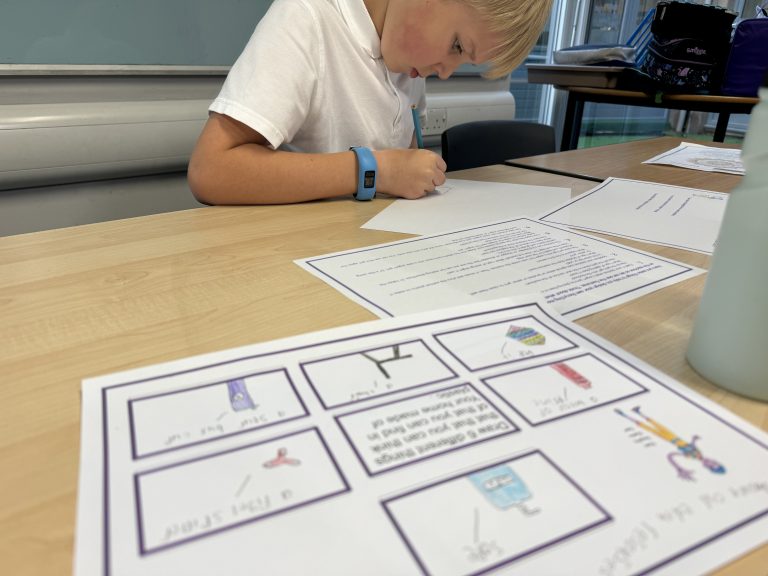
Awareness and Education: Integrate circular economy principles into the curriculum. Conduct workshops and seminars on sustainability and resource management. Use case studies and real-life examples to illustrate circular practices. Resource Management: Audit current resource usage and waste production. Set up systems for reducing, reusing, and recycling materials. Practical Implementation: Establish recycling programs for paper, card, and plastics. Create composting systems for organic waste. Promote the use of digital tools to minimize paper usage. Community Involvement: Engage students, staff, and parents in sustainability initiatives. Partner with local businesses and organizations for resources and support.
Importance of Teaching Circular Economy
Sustainability: Prepares students to think critically about resource use and sustainability. Environmental Impact: Reduces waste, conserves resources, and mitigates climate change. Economic Benefits: Promotes innovation, job creation in recycling and upcycling industries.

Benefits of Circular Economy for Climate Change
Reduced Emissions: Less waste leads to lower greenhouse gas emissions from landfills. Conservation of Resources: Efficient use of materials reduces the need for raw material extraction, lowering environmental degradation. Energy Savings: Recycling often uses less energy compared to producing new products from raw materials.
Focus on Earth Resources in School
Our Team Characters are great allocated to school house teams
Sustainability and Renewables
Land
Air
Sea
Focus Areas: Paper, Card, and Plastics
Paper and Card
- Reduce: Encourage digital assignments and communications. Use both sides of paper.
- Reuse: Repurpose used paper for notes and drafts. Create art projects from cardboard.
- Recycle: Set up dedicated bins for paper and card recycling. Teach students about the recycling process.
Plastics
- Reduce: Limit single-use plastics in the school (e.g., straws, bottles). Encourage reusable containers.
- Reuse: Use plastic items for multiple purposes (e.g., plastic bottles for art projects).
- Recycle: Educate on proper sorting and disposal. Participate in local recycling programs.
Classroom Activities
Waste Audit Project:
- Have students conduct a waste audit of the school.
- Analyze the types and amounts of waste generated.
- Develop a plan to reduce waste.
Recycling Crafts:
- Organise workshops to create new items from recyclable materials.
- Showcase student creations in a ‘Recycled Art’ exhibition.
Eco-Friendly Challenges:
- Initiate challenges like ‘Zero Waste Week’ or ‘Plastic-Free Month’.
- Encourage students to document their efforts and results.
- Guest Speakers and Field Trips:
- Invite experts in sustainability and circular economy to speak at the school.
- Arrange visits to recycling plants and eco-friendly businesses.
20 Reasons why a Circular Economy promotes environmental health
A circular economy, which focuses on the continuous use of resources through recycling, reusing, and remanufacturing, significantly contributes to a healthier biosphere. Here are 20 reasons why a circular economy promotes environmental health:
- Reduces Waste: Minimizes the amount of waste sent to landfills and incinerators, reducing land, air, and water pollution.
- Conserves Resources: Extends the lifecycle of products, conserving raw materials and natural resources.
- Lowers Emissions: Reduces greenhouse gas emissions by decreasing the need for new production and minimizing waste decomposition in landfills.
- Promotes Recycling: Encourages the recycling of materials, which reduces the need for virgin resources and energy consumption.
- Supports Sustainable Production: Encourages the design of products with longer lifespans, repairability, and recyclability.
- Reduces Energy Consumption: Decreases energy usage by promoting more efficient production processes and the use of recycled materials.
- Preserves Ecosystems: Limits the extraction of raw materials, reducing habitat destruction and biodiversity loss.
- Encourages Innovation: Stimulates the development of new technologies and business models that support sustainability.
- Reduces Pollution: Lowers the release of harmful substances into the environment by minimizing waste and promoting cleaner production methods.
- Enhances Economic Resilience: Creates a more resilient economy by reducing dependency on finite resources and fostering local industries.
- Improves Resource Efficiency: Maximizes the utility of materials, ensuring that they are used effectively and efficiently throughout their lifecycle.
- Promotes Sustainable Consumption: Encourages consumers to make environmentally friendly choices and opt for products with minimal environmental impact.
- Supports Local Economies: Boosts local employment opportunities in recycling, repair, and remanufacturing sectors.
- Encourages Collaboration: Fosters collaboration between businesses, governments, and communities to create sustainable solutions.
- Reduces Water Usage: Decreases water consumption in production processes by promoting the use of recycled materials and more efficient manufacturing methods.
- Minimizes Toxic Substances: Encourages the reduction and elimination of toxic substances in products and production processes.
- Promotes Product Stewardship: Holds manufacturers accountable for the entire lifecycle of their products, from design to disposal.
- Enhances Soil Health: Reduces the impact of waste and pollutants on soil, promoting healthier and more productive ecosystems.
- Improves Air Quality: Lowers emissions of pollutants and particulates, contributing to cleaner air and improved public health.
- Supports Sustainable Development Goals: Aligns with global sustainability goals by promoting responsible production and consumption, climate action, and the preservation of terrestrial and marine ecosystems.