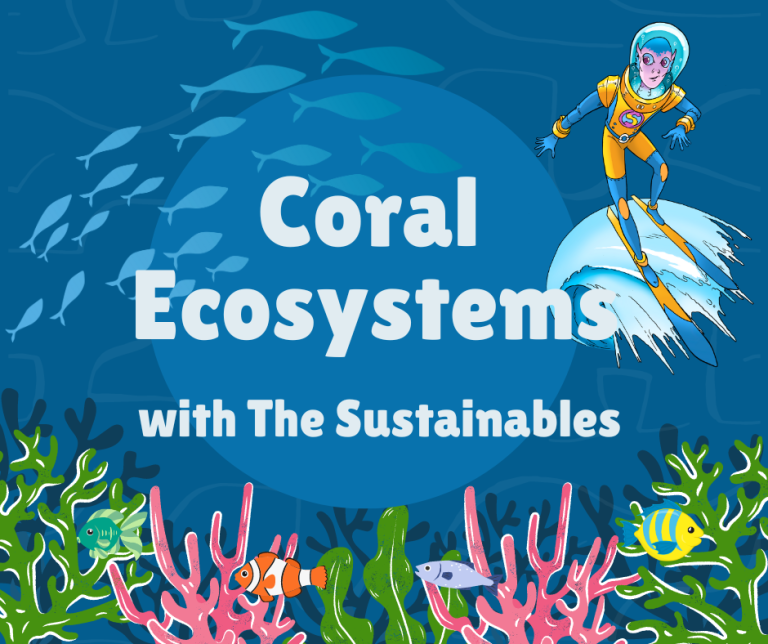
A coral reef ecosystem is one of the most vibrant and diverse environments on Earth, often referred to as the “rainforests of the sea.” These ecosystems are formed by colonies of tiny animals called coral polyps, which build extensive, calcium carbonate structures that provide habitat for a vast array of marine life. Coral reefs support thousands of species, including fish, mollusks, sea turtles, and crustaceans, making them crucial for marine biodiversity. Coral reefs are primarily found in warm, shallow waters near the equator, with the most extensive reef systems located in the Pacific Ocean, particularly around Australia (the Great Barrier Reef), Southeast Asia, and the Caribbean.
Ten interesting facts about coral reefs:
- Coral reefs cover less than 1% of the ocean floor but support about 25% of all marine species.
- The Great Barrier Reef is the largest coral reef system in the world, stretching over 2,300 kilometers.
- Coral reefs can take thousands of years to form, with some reefs being over 50 million years old.
- Corals have a symbiotic relationship with algae called zooxanthellae, which provide them with energy through photosynthesis.
- Coral reefs act as natural barriers, protecting coastal areas from storms, erosion, and flooding.
- The vibrant colours of coral reefs come from the algae living within the coral tissues.
- Coral reefs are highly sensitive to changes in water temperature, and even a small increase can lead to coral bleaching, where corals lose their colour and vital algae.
- Coral reefs are among the most endangered ecosystems on the planet, facing threats from climate change, pollution, overfishing, and destructive fishing practices.
- Some coral species are bioluminescent, meaning they can glow in the dark.
- Coral reefs contribute to the economy by supporting tourism, providing food, and offering opportunities for scientific research and medicine.
Ocean Carbon Capture
All Primary
Join Our Online Class
Placerat orci nulla pellentesque dignissim. Elementum nibh tellus molestie nunc non. Amet mauris commodo quis imperdiet massa.
Water Conservation MOE
Title: Rescue the Reef
Age Group: Upper Primary/ Elementary
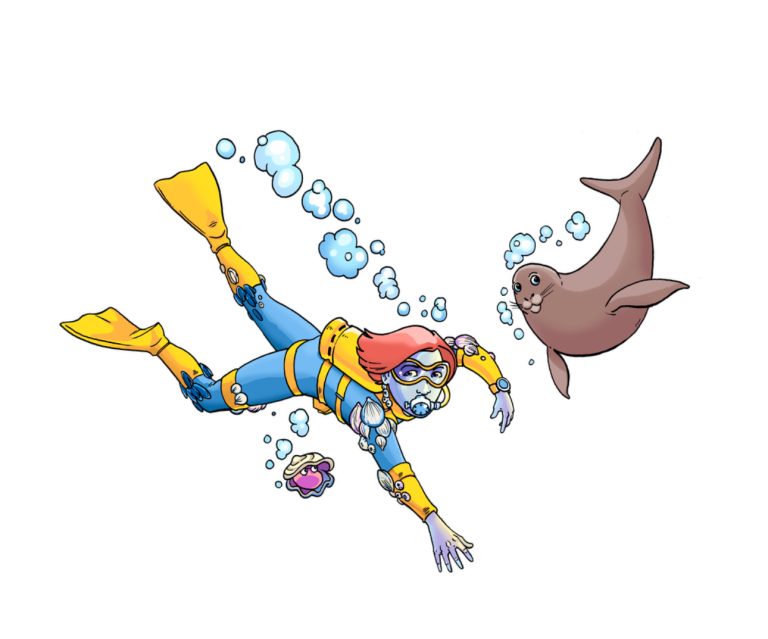
Character Host: Aqua (Marine Conservation Advocate)
Objective: Learners act as a team of underwater conservationists tasked with saving a coral reef damaged by pollution and climate change.
Scenario:
A beautiful coral reef, home to many marine species, is in danger. Pollution has damaged parts of it, and rising ocean temperatures have caused coral bleaching. Aqua has called on your team of experts to come up with a rescue plan to restore the reef and protect its inhabitants.
Tasks:t.
Tasks:
Explore:
- Investigate what coral reefs need to survive and what causes coral bleaching.
- Research the effects of plastic pollution and what can be done to prevent it.
Design:
- Create a conservation project, including activities like cleaning the reef, planting new corals, and setting up protected zones.
- Develop an awareness campaign to teach local communities how to reduce pollution and help the reef recover.
Role-Play:
- Learners role-play as conservationists explaining their rescue plan to a panel of marine scientists (their peers).
- Discuss the challenges and how the plan will overcome them.
Creative Extension:
- Write a story or create a comic about a young marine animal that benefits from the reef’s restoration.
Title: The Ocean’s Caretakers
Age Group: Grade 5
Character Host: Shelly (Sustainable Fishing Advocate)
Objective: Learners act as marine biologists and sustainable fishing advisors tasked with creating a plan to help a coastal community fish responsibly while protecting marine life.
Scenario:
A small fishing village depends on fishing for its livelihood, but they’ve noticed that fish numbers are declining. Shelly has asked for your expert advice to help the community adopt sustainable fishing practices without harming the ocean ecosystem.
Tasks:
Investigate:
- Learners research why fish populations are declining (e.g., overfishing, bycatch, habitat damage).
- Explore sustainable fishing methods, such as using larger nets to let younger fish escape or fishing only during certain seasons.
Plan:
- Develop a set of sustainable fishing guidelines for the village.
- Decide on strategies to educate the fishers, such as posters, leaflets, or a community meeting.
Present:
- Learners present their plan to the class as if they were presenting to the village council.
- Include reasons why sustainable fishing is important and how it benefits both the community and the ocean.
Creative Extension:
- Design a “Sustainable Fishing Seal” that fishers can proudly display on their boats to show they are protecting marine life.
The Role of The Teacher
in Teaching Water Conservation through The Circular Economy
The role of teachers in shaping the minds of future generations is one of immense responsibility, and today, perhaps no responsibility is greater than educating young people about sustainability and the circular economy. Our oceans, the lifeblood of the planet, are under siege—choked by pollution, much of it plastic. Marine ecosystems, from the tiniest plankton to majestic whales, are suffering as a result of our throwaway culture. If we are to halt this devastation, the key lies in education.
Teaching about the circular economy offers hope. It challenges the outdated “take, make, dispose” mindset and replaces it with a vision of innovation, where waste becomes a resource and materials are kept in use for as long as possible. By embedding these principles in the classroom, we empower learners to see the world differently—not as consumers but as stewards of a precious planet. They come to understand that every discarded bottle, fishing net, or microplastic bead affects the health of our oceans and, ultimately, our survival.
As educators, we hold the tools to ignite curiosity and inspire action. A lesson on the circular economy can turn a classroom into a hub of ideas—exploring how sustainable design, responsible production, and better choices can prevent pollution from ever reaching our seas. Learners can see themselves as changemakers, capable of designing systems where waste is minimised and nature is protected. This knowledge, coupled with a sense of agency, nurtures not just informed citizens but advocates for the planet.
Our duty extends beyond teaching facts; it is about fostering hope and responsibility. The circular economy is not merely a concept—it is a call to action, a lifeline for a world under threat. By teaching it, we plant seeds of change that ripple far beyond the walls of our classrooms, creating a generation equipped to heal the oceans and safeguard the future. For the sake of our seas, and all who depend on them, we must rise to this challenge.
10 teaching point for The Circular Economy and the protection of our ocean Ecosystems
A Vision for the Future: Inspire learners with success stories of circular economy models and how they contribute to cleaner, healthier oceans.
The Problem with Plastic
Explain how single-use plastics and poor waste management lead to ocean pollution, harming marine animals and habitats
Closed-Loop Systems
Teach learners how the circular economy aims to keep plastics in use through recycling, reducing the need for new materials
Recycling and Reducing Demand
Highlight how recycling plastic lowers the production of virgin plastics and prevents waste accumulation
Innovative Design
- Innovative Design: Discuss examples of products designed to be reused, repaired, or recycled, preventing waste from reaching the ocean.
Biodegradable Alternatives
- Biodegradable Alternatives: Explore new materials and how they can replace traditional plastics to reduce ocean pollution.
Impact on Marine Life
- Impact on Marine Life: Show how reducing plastic pollution benefits marine species by preventing ingestion, entanglement, and habitat destruction.
Community Action
- Community Action: Teach how local and global initiatives, like beach clean-ups and plastic bans, support the principles of the circular economy.
Role of Businesses
- The Role of Businesses: Explain how companies adopting circular practices reduce their environmental footprint and contribute to ocean health.
Systems Thinking
- Systems Thinking: Encourage learners to think about how waste from land-based activities connects to ocean pollution and how the circular economy disrupts this cycle.
Why the Circular Economy is Positive for Plastic Recycling and Oceans
Sustainable Innovation
Sustainable Innovation: It encourages the development of biodegradable plastics and alternative materials that are less harmful to marine life.
Prevention of Waste
Prevention of Waste: By designing products for reuse and recycling, the circular economy reduces the amount of plastic waste that might otherwise end up in the ocean.
Extended Material Lifespan
Extended Material Lifespan: Plastics are recycled into new products, reducing the demand for virgin materials and preventing discarded items from becoming pollutants.
Improved Waste Management
Improved Waste Management: Circular systems promote better waste collection and sorting, ensuring that plastics are recycled properly and do not escape into the natural environment.
Economic Incentives
Economic Incentives: A circular economy creates value in waste, encouraging communities and businesses to retrieve and recycle plastics rather than discarding them irresponsibly.
The circular economy is a transformative model
…that can greatly reduce plastic pollution in the oceans while bringing significant benefits to marine life. Unlike the traditional linear economy, which follows a “take, make, dispose” approach, the circular economy is built on principles of reducing waste, reusing materials, and recycling products to create a closed-loop system.