Introduction to the Arctic and Antarctic Ecosystems:
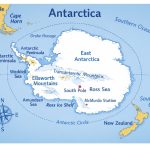
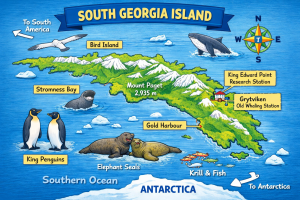
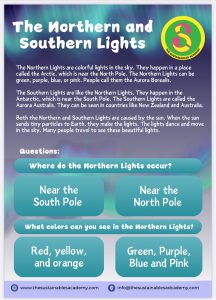
The Arctic and Antarctic regions are two of the most unique and fragile ecosystems on Earth, home to a wide variety of life forms that have adapted to some of the most extreme conditions. The Arctic, located at the North Pole, is known for its icy oceans, vast tundra, and iconic animals such as polar bears, seals, and walruses. The Antarctic, surrounding the South Pole, is a frozen continent teeming with penguins, seals, whales, and various species of birds.
These ecosystems play a vital role in regulating the Earth’s climate and supporting biodiversity. However, they are under increasing threat from human activities, including climate change, pollution, and overfishing. The melting of polar ice, rising temperatures, and disruptions to marine life have global consequences, affecting weather patterns, sea levels, and ecosystems far beyond these polar regions.
Becoming Earth Stewards means taking responsibility for protecting these vulnerable environments. By adopting sustainable practices, reducing our carbon footprint, and supporting conservation efforts, we can help safeguard the Arctic and Antarctic ecosystems for future generations. Understanding these environments is the first step toward becoming active participants in their preservation, ensuring that the species and delicate balance of life found in these polar regions continue to thrive.