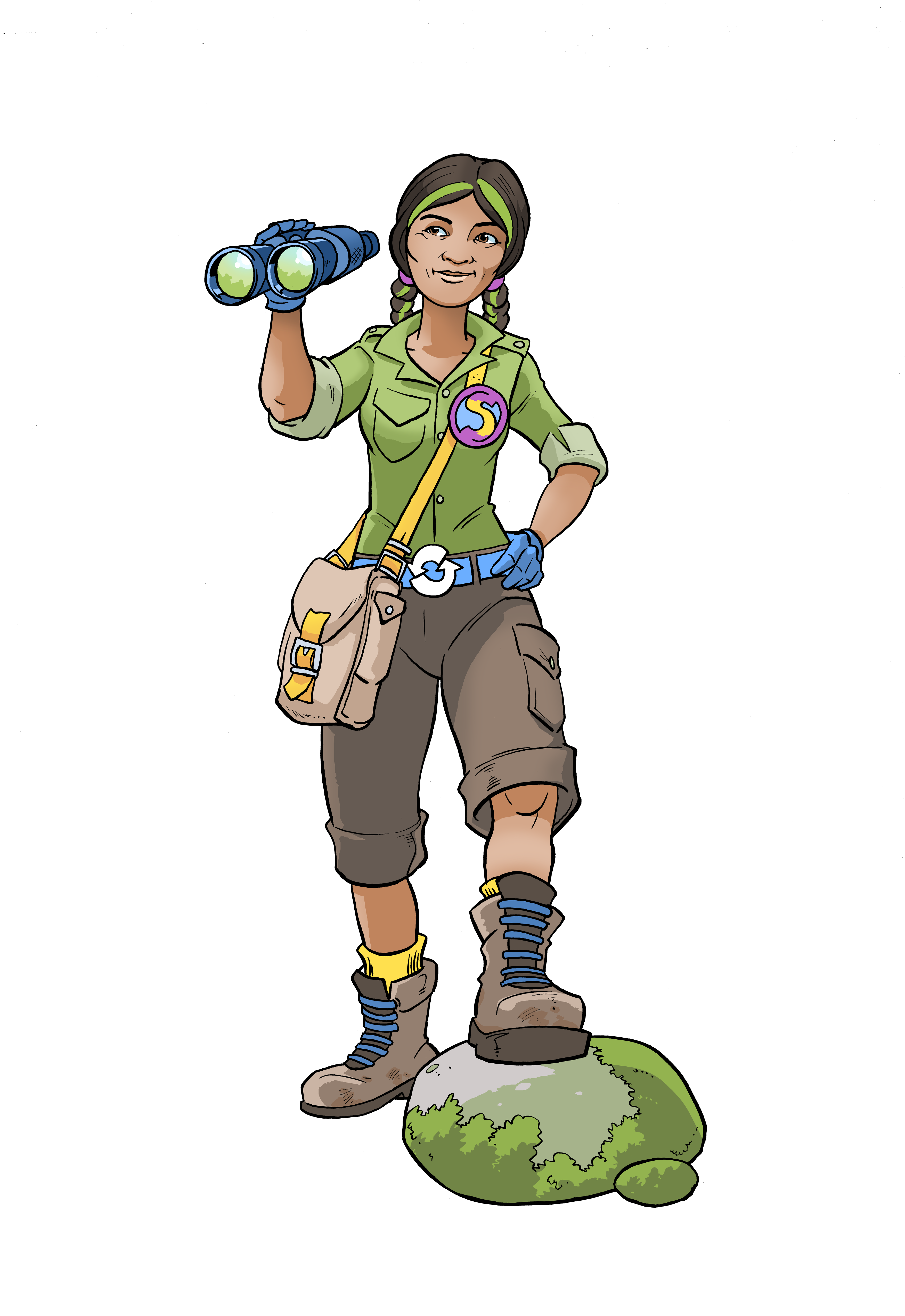
Conservation
With Connie

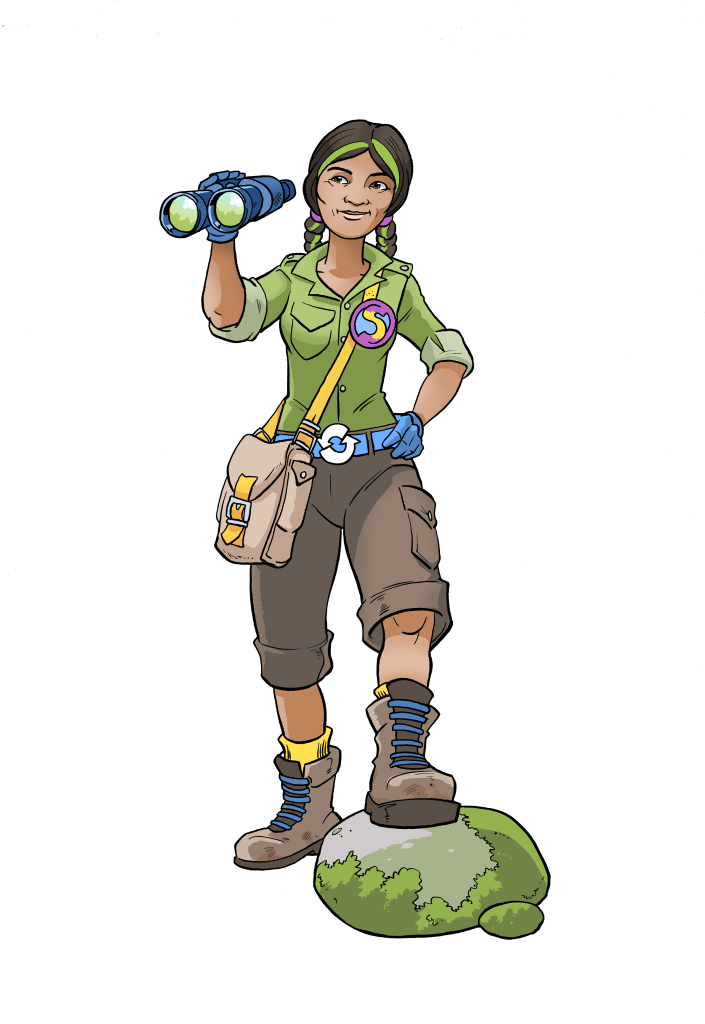
“Hi there! I’m Conny, your Earth Steward for Conservation – and I’m here to tell you why biodiversity is super important for our biosphere – that’s our whole living world!

First, biodiversity keeps our ecosystems strong and steady. When lots of different species live together, they help balance and support each other – like a big, helpful team that keeps nature ticking along, even when things change.

Second, biodiversity gives us so many life-giving things – clean air, fresh water, healthy soil, and tasty food! It even helps keep our climate stable. Without it, the whole system starts to wobble.

Third, when biodiversity disappears, we’re all in trouble. Fewer species means weaker ecosystems – and that affects farms, forests, oceans, and people too. It’s like pulling out the bricks from the bottom of a tower!

And finally, protecting biodiversity is one of the best ways we can care for our biosphere. That’s what I do as a Conservation Earth Steward – help look after habitats, plants, and animals, so we can all live well on our beautiful planet for generations to come!”

sustainables badge

Earth Stewardship and Conservation

We all share the Earth

We all share the Earth – and we all share the responsibility. "Earth Stewardship means looking after our planet with care and respect. Every action we take – big or small – affects nature, so it’s up to all of us to protect it."

Taking only what we need helps future generations.

Taking only what we need helps future generations. "Earth Stewards think about tomorrow, not just today. By using resources wisely and reducing waste, we make sure there’s enough for everyone – including wildlife."

Conservation keeps nature’s systems strong.

Conservation keeps nature’s systems strong. "When we conserve habitats, species, and resources, we help nature do its job – from cleaning the air to growing food and keeping our climate in balance."

Working together

Working together makes a bigger difference. "Communities, schools, and even young Earth Stewards like you can help protect local green spaces, rivers, and coastlines. When we team up, the planet wins!"

Conservation and the Circular Economy

1. Protecting Natural Resources

Conservation helps reduce the need to extract new raw materials by encouraging the careful use and protection of existing resources—like forests, water, minerals, and soil—so they stay available and healthy for the future.

2. Extending Product Life Cycles

By repairing, reusing, and recycling, conservation supports the circular economy idea of keeping materials in use for as long as possible. This reduces waste and lowers the pressure on ecosystems.

3. Designing with Nature in Mind

Conservation encourages eco-friendly design—making products that are easier to recycle or biodegrade, and avoiding harmful materials—so they fit better into circular systems and don’t damage the environment.

4. Restoring and Regenerating Ecosystems

Just like the circular economy regenerates value from waste, conservation regenerates natural systems by restoring habitats, replanting forests, and cleaning up polluted areas—making sure nature stays in the loop too.

Conservation and Regeneration

 Healing, Not Just Sustaining

Conservation in a regenerative economy goes beyond “less harm”—it aims to actively restore ecosystems, rebuild soil health, rewild damaged areas, and help nature thrive again, not just survive.

Working With Nature’s Cycles

The regenerative economy values living systems. Conservation helps protect and enhance the natural cycles of water, carbon, and nutrients—supporting long-term balance between people and the planet.

 Supporting Biodiversity and Resilience

By conserving diverse species and habitats, we make ecosystems more resilient to climate change, disease, and disruption—just like a regenerative economy builds strength through diversity and cooperation.

Local, Community-Led Action

Regenerative approaches often start with local knowledge and stewardship. Conservation empowers communities to care for their landscapes, from forests and farms to coastlines and rivers, building stronger, more connected futures.

Activities

Pollinator Page
With Pollie
Blooms Taxonomy

.

Writing Frames
Scroll to Top