
Desert Ecosystems

Desert Ecosystems

A desert ecosystem is a harsh yet fascinating environment characterised by extreme temperatures, limited rainfall, and sparse vegetation. Despite these challenging conditions, deserts are home to a diverse array of specialised plants and animals that have adapted to survive with minimal water. Cacti, succulents, and drought-resistant shrubs are common plant species, while animals like camels, lizards, and nocturnal rodents have evolved to thrive in the arid conditions. Deserts are found on every continent, with the largest deserts located in Northern Africa (the Sahara), the Middle East (the Arabian Desert), Central Asia (the Gobi Desert), and North America (the Sonoran and Mojave Deserts).

Ten interesting facts about deserts:

Deserts cover about one-third of the Earth’s land surface.

The Sahara Desert is the largest hot desert in the world, stretching over 9 million square kilometres.

Antarctica is technically the largest desert on Earth, as it receives very little precipitation.

Some desert plants, like the creosote bush, can live for thousands of years.

The Gobi Desert is a cold desert, with temperatures dropping well below freezing in winter.

Desert animals often burrow underground to escape the extreme heat and conserve moisture.

Deserts can experience sudden and intense rainstorms, leading to flash floods.

The Atacama Desert in Chile is the driest non-polar desert, with some areas receiving no rain for centuries.

Many desert plants have deep root systems to tap into underground water sources.

Sand dunes, which are constantly shaped by the wind, can reach heights of up to 500 metres in some deserts.


Main topics to incorporate desert eco-systems

  1. Farm to Fork – Highlight desert farming techniques, water conservation, and how communities grow food in arid climates.
  2. Our Local Community – Investigate how communities living in desert areas adapt their lifestyle and infrastructure to survive in such conditions.
  3. Weather and Seasons – Discuss the unique weather patterns of desert ecosystems, like extreme temperature changes and seasonal rain.
  4. Renewable Energy – Focus on solar energy, a significant resource in desert regions, where sun exposure is abundant.
  5. Sustainability – Examine sustainable practices in water conservation, land management, and renewable energy specifically in desert ecosystems.
  6. Healthy Bodies, Healthy Minds – Explore how people maintain health and well-being in extreme climates and how desert inhabitants adapt their diets and hydration habits.
  7. The World Around Us – A broad topic that could incorporate a focus on different ecosystems, including deserts, and how they contribute to global biodiversity.
  8. Life Cycles – Look at plant and animal life cycles specific to desert environments, such as cacti and desert-dwelling animals.
  9. The Ecosystem in My Garden – Introduce a miniature desert garden with desert plants and discuss adaptations of plants like succulents.
  10. Around the World – Include deserts as a unique ecosystem type, exploring famous deserts around the world and their geographical and cultural importance.
  11. Simple Machines – Discuss machines and tools designed to work in desert climates, focusing on how communities access water and build structures suited to hot, dry conditions.
  12. Wildlife and Habitats – Examine desert animals and their habitat adaptations, such as camels, lizards, and owls that survive in arid landscapes.
  13. Natural Disasters – Discuss desert-specific natural phenomena like sandstorms, flash floods, and droughts.
  14. The Environment and Us – Explore how humans impact desert ecosystems through urbanisation, agriculture, and conservation efforts.
  15. Animal Adaptations – Focus on the physical and behavioural adaptations that animals in deserts have evolved for survival.
  16. Water Conservation – Desert ecosystems offer a perfect context for discussing water scarcity, conservation techniques, and sustainable practices.
  17. Exploring the Seasons – Cover the seasonal changes in deserts, focusing on how flora and fauna adapt to intense heat and scarce water.

Applying the 12 Pathways of Sustainability to Desert Ecosystems

Applying The 12 Pathways of Sustainability to the 4 Curriculum models of the UK four nation curriculum models to
Desert Eco Systems
Icon-Services-Details-Orange.svg
Applying The 12 Pathways of Sustainability to the 4 curriculum models of the UK four nation curriculum models to
Desert Eco Systems
Icon-Services-Details-Orange.svg

Useful books

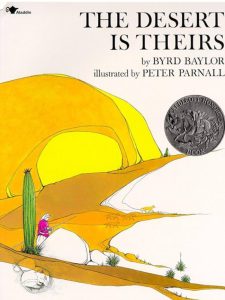
The Desert is Theirs

“The Desert is Theirs” by Janice May Udry

  • This story introduces young readers to desert life through the eyes of a family who lives in the desert, emphasizing the beauty and challenges of this ecosystem.
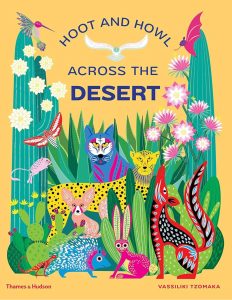
Hoot and Howl

A book that  invites the reader to travel across some of world’s driest landscapes and discover the remarkable animals and plants that survive in desert climates, both hot and cold. Along the way, they will encounter over 300 rare and little known plants, animals, reptiles, birds and insects, casting new light on desert environments and revealing the abundance of life underlying their barren image. Through fifteen bright and graphic desert landscapes the book looks in detail at unusual species, their tactics for survival, nocturnal desert life, the desert food chain, lethal creatures and degrees of dryness.

The Magic School Bus

“The Magic School Bus: All Dried Up” by Joanna Cole

  • In this educational adventure, Ms. Frizzle takes her class on a journey to the desert, teaching them about the ecosystem and the importance of conserving water and resources.
Scroll to Top