Green Chemistry
and STEAM education

.Green Chemistry is increasingly becoming a unifying force across STEAM education, inspiring learners to think creatively, critically, and responsibly about the materials and processes that shape our world. Within Science, Technology, Engineering, the Arts, and Mathematics, Green Chemistry provides a shared foundation for designing safer substances, reducing waste, and conserving Earth’s resources—key ideas that connect directly to sustainability and the circular economy. By framing chemical innovation as both a scientific challenge and a creative design opportunity, STEAM invites learners to explore real-world problems through interdisciplinary thinking, imaginative solutions, and purposeful experimentation, preparing them to become future Earth stewards and responsible innovators.

Sustainable's team pic

How the Sustainables Support Green Chemistry

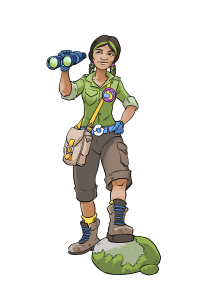
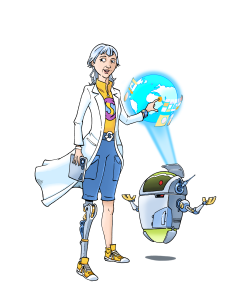
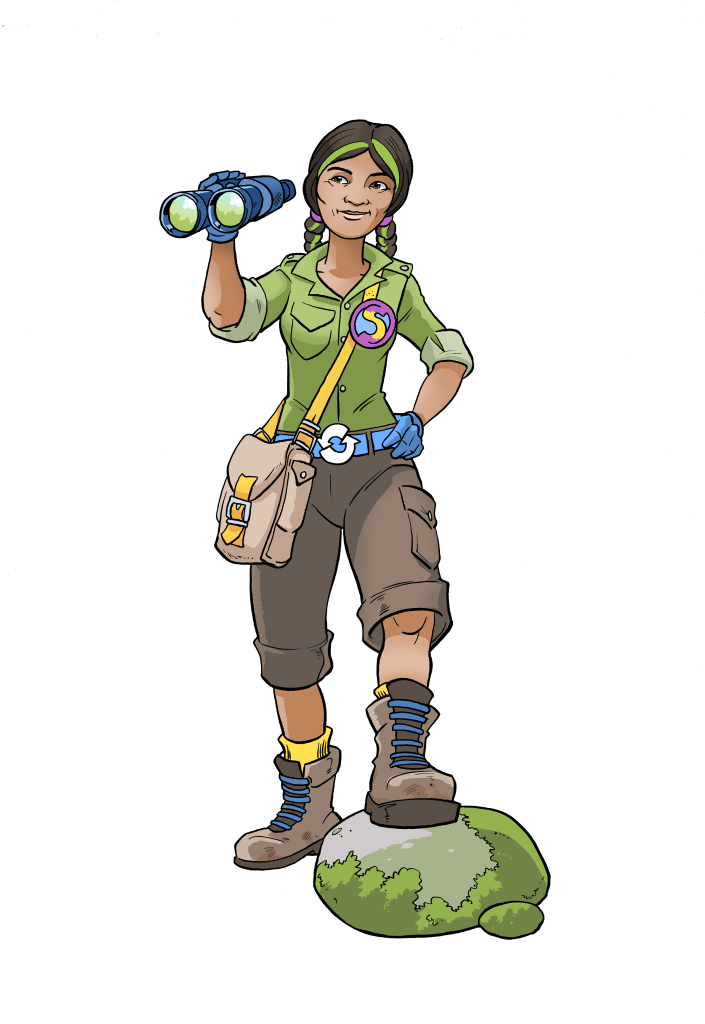
The Sustainables that personify materials and chemistry

The Earth Stewards (Plasto, Shatter, Metz, Mini, Oggie, Aqua, Turbie, Array, etc.) make big chemical ideas accessible:

  • Plasto → polymers, recycling, material design

  • Shatter → glass and reuse

  • Metz → metals and circular systems

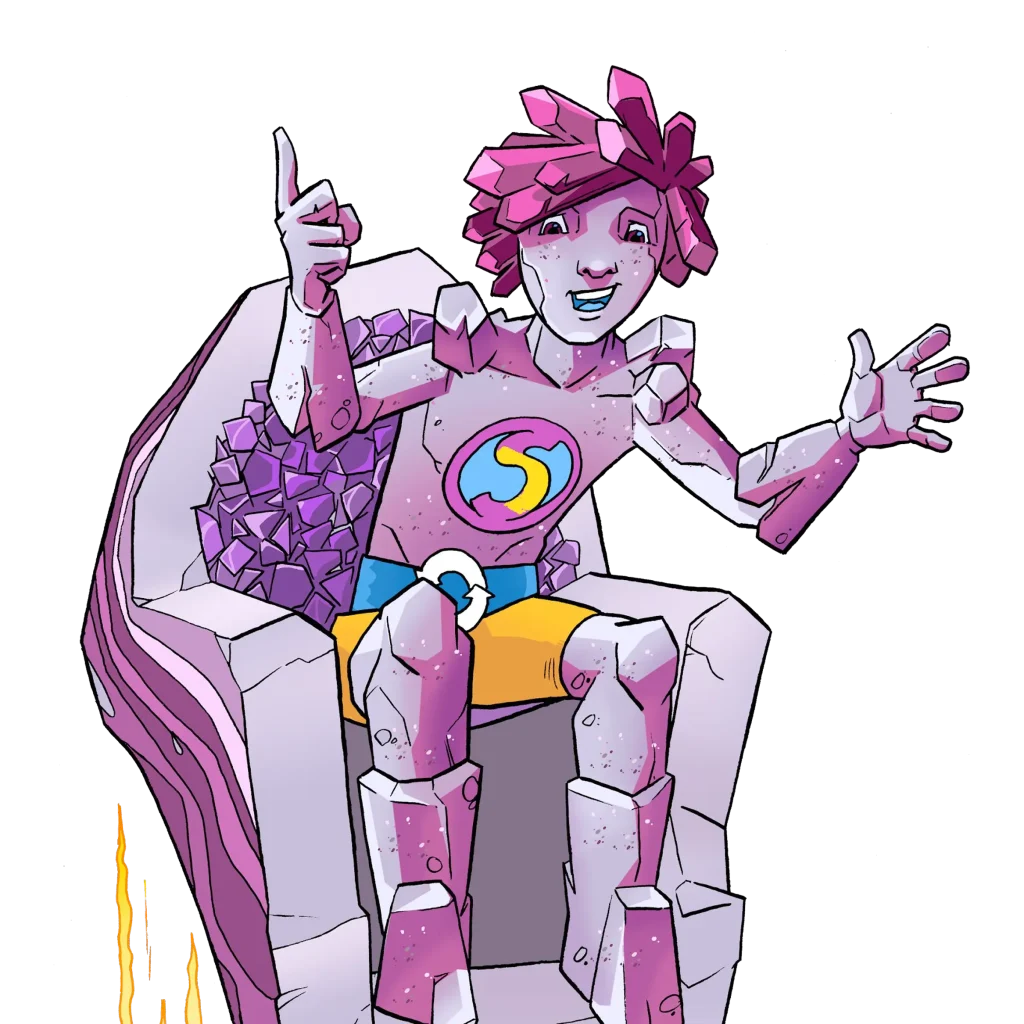
  • Mini → earth minerals, extraction, conservation

  • Oggie → organic matter, decomposition, biochemistry

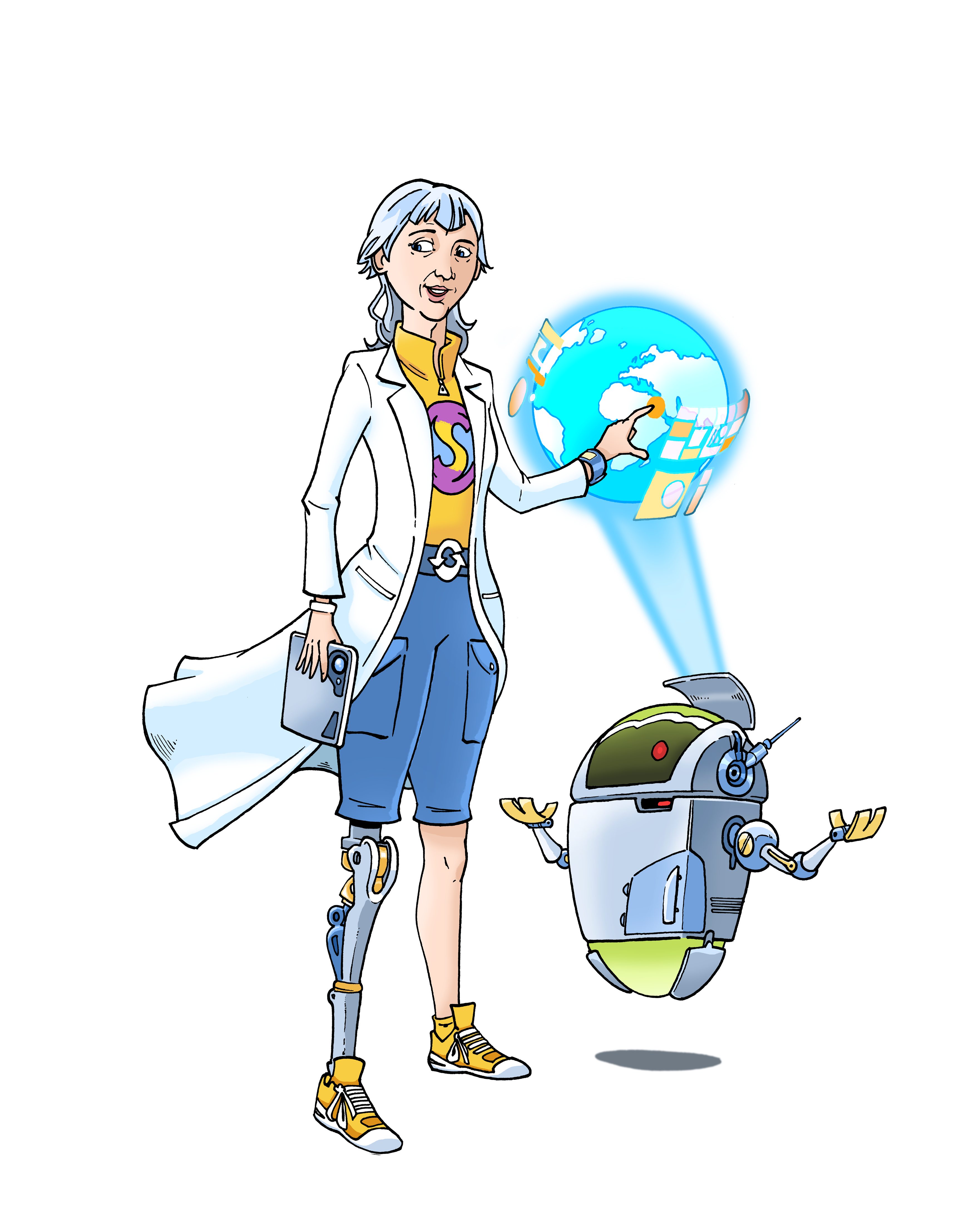
  • Aqua → water chemistry and purification

Children understand chemical ideas through personalities, stories, and missions.

Prevent waste

It is better to stop waste being created in the first place than to clean it up afterwards.

Design for energy efficiency

Reduce the amount of energy needed by carrying out reactions at lower temperatures and pressures whenever possible.

Use safer chemicals and processes

Choose substances and reactions that are less toxic and safer for people and the environment.
Use renewable resources

Whenever feasible, use raw materials that can be replenished naturally, rather than relying on finite resources.


Green Chemistry and The Sustainables

Why Green Chemistry must start in primary school

Green chemistry starts in primary school because young learners are naturally curious, open to forming lifelong sustainable habits, and able to understand materials, reactions, and everyday chemistry through simple, hands-on exploration. Teaching these foundations early builds confidence, supports climate wellbeing, and prepares them for future green skills. The Sustainables makes this happen by using engaging characters, storytelling, outdoor learning, and the 12 Pathways framework to introduce safe, sustainable chemistry ideas in age-appropriate ways. Through circular economy thinking, practical investigations, and curriculum-aligned learning, The Sustainables helps children see chemistry as a positive force for protecting Earth’s resources.

12 Pathways Framework builds sustainable chemistry step by step
Green chemistry appears across Our pathways, especially:

Circular Waste and Materials (Pathway 7)

Water & Energy Conservation (Pathway 3)

Biodiversity, Food, and Aquaculture (Pathways 4 & 5)

Understanding Sustainability (Pathway 1)

Outdoor learning
Outdoor learning + green chemistry = powerful understanding

The Academy’s outdoor approach helps children see:

 natural materials

decomposition

  • water purification

  • soil chemistry

  • energy transfer

This builds scientifically accurate understanding without lab chemicals.

Sphero Lab

Visit both our Sphero lab and find Sphero Lab  Learning and  a link to our resources

Green Chemistry vocab cards
Green Chemistry fact cards
Green Chemistry Activity cards

Check out Sphero Lab Learning and our resources page

and find more like this 

Biomimicry
Soil
100 ideas for Teachers

Green Chemistry

Scroll to Top