


Meet Oggie

Oggie is a gentle giant who helps us understand all the organics in our biosphere.
He has a big job as you will see from his remit below .

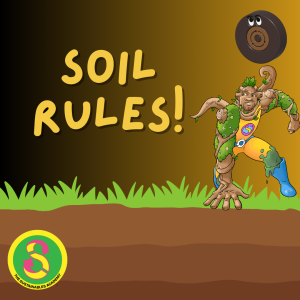

All About Oggie and what he represents
When referring to “organic earth resources,” the term “organic” typically means that the resource is derived from living organisms or their remains.
Organic Earth Resources
Derived from Living Organisms:
Biological Origin: These resources originate from plants, animals, and other organisms. Examples include fossil fuels (like coal, oil, and natural gas), which are formed from the remains of ancient plants and microorganisms.Current Biomass: Resources such as wood, agricultural crops, and animal products that come from currently living organisms.Carbon-Based Compounds:
Carbon Content: Organic resources are primarily composed of carbon-based compounds, which are the building blocks of life. These include hydrocarbons in fossil fuels and complex carbohydrates in plant materials.Renewable and Non-Renewable:
Renewable Resources: Some organic resources, like biomass (wood, crop residues), are renewable as they can be replenished over short periods.Non-Renewable Resources: Fossil fuels are non-renewable because they take millions of years to form and are depleted much faster than they can be naturally replenished.
Examples of Organic Earth Resources
Fossil Fuels:
Coal: Formed from ancient plant material subjected to heat and pressure over millions of years.Oil and Natural Gas: Derived from the remains of ancient microorganisms that have undergone similar geological processes.Biomass:
Wood: Obtained from trees and other plants, used for fuel, construction, and paper production.- Agricultural Crops: Plants grown for food, fiber, and biofuels (like corn for ethanol).
- Animal Products: Resources like manure used as fertilizer or for biogas production.
Peat:
Partially Decayed Plant Matter: Found in bogs and used as a fuel and soil conditioner.
Importance and Uses
Energy Production:
Fossil fuels and biomass are major sources of energy. Fossil fuels are widely used for electricity generation, heating, and transportation, while biomass can be converted into biofuels and biogas.Materials:
Organic resources provide raw materials for various industries. For example, wood is used in construction and paper manufacturing, while agricultural products are used in food production and textile manufacturing.Soil Fertility:
Organic matter, such as compost and manure, is crucial for maintaining soil health and fertility, supporting sustainable agriculture.
Environmental Considerations
Sustainability:
Renewable organic resources, if managed sustainably, can provide a continuous supply without depleting natural ecosystems.Overreliance on non-renewable organic resources (fossil fuels) poses sustainability challenges due to their finite nature and environmental impact.Climate Impact:
Burning fossil fuels releases significant amounts of carbon dioxide, contributing to climate change.Renewable organic resources, such as biofuels, can have a lower carbon footprint if managed properly, though their production and use must be carefully balanced to avoid negative environmental impacts.
So, “organic earth resources” refer to natural materials originating from living organisms, encompassing both renewable and non-renewable resources that play crucial roles in energy production, material supply, and environmental sustainability.
Oggie has a huge remit here 7 main areas of consumer organic classification
Organic products encompass a wide range of items beyond just food and textiles, spanning various categories that adhere to organic standards and certifications. Here are the main types of organic products:
Organic Food:
Fruits and Vegetables:
Includes fresh produce grown without synthetic pesticides or fertilizers.
Grains and Pulses:
Organic versions of grains like rice, wheat, oats, and pulses such as lentils and chickpeas. Meat and Poultry:
Organic meat and poultry come from animals raised without antibiotics or synthetic growth hormones and fed organic feed.
Dairy Products:
Organic milk, cheese, yogurt, and other dairy products come from animals raised according to organic standards.
Organic Beverages:
Coffee and Tea:
Organic coffee and tea are grown without synthetic pesticides or fertilizers and often follow fair trade practices
.Juices:
Organic fruit and vegetable juices made from organic ingredients without added synthetic additives.
Organic Snacks and Packaged Foods:
Snack Bars:
Organic granola bars, energy bars, and snack mixes made with organic ingredients.
Cereals and Breakfast Foods:
Organic cereals, muesli, oatmeal, and breakfast bars made from organic grains and ingredients.
Canned and Packaged Goods:
Organic soups, sauces, canned vegetables, and other packaged foods made with organic ingredients.
Organic Textiles and Clothing:
Cotton:
Organic cotton products include clothing, bedding, towels, and other textiles made from cotton grown without synthetic pesticides or fertilizers.
Wool:
Organic wool products come from sheep raised on organic pastures without synthetic chemicals.
Hemp:
Organic hemp textiles, including clothing and accessories made from organically grown hemp fibres.
Silk:
Organic silk products made from silkworms raised on organic mulberry leaves without synthetic inputs.
Personal Care and Cosmetics:
Skin Care:
Organic skincare products made from organic plant-based ingredients without synthetic chemicals or additives.
Hair Care:
Organic shampoos, conditioners, and hair styling products made with organic botanicals and oils.
Cosmetics:
Organic makeup, lip balms, and other cosmetic products formulated with organic ingredients.
Home and Cleaning Products:
Cleaning Supplies:
Organic cleaning products made from natural ingredients without synthetic fragrances or harsh chemicals.
Bedding and Mattresses:
Organic mattresses, bedding, and pillows made from organic materials such as cotton, wool, or natural latex.
Pet Food and Supplies:
Organic Pet Food:
Organic pet food made from organic ingredients, free from synthetic pesticides or additives.
Pet Care Products:
Organic pet shampoos, grooming products, and supplements made with organic ingredients.