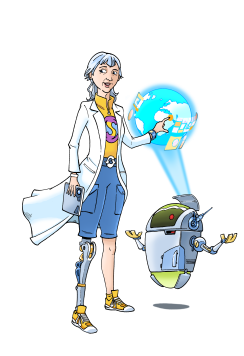


Water Conservation (led by Aqua)
. Regenerative practices include watershed restoration, improving water quality, and mimicking natural water cycles through sustainable technologies like rain gardens or greywater recycling.

Earth Minerals (Mini)
Emphasizing sustainable mining practices, restoring mined land, and developing technologies that replace non-renewable mineral use.


Energy (Solar - Array, Wind - Turbine
Shifting to renewable energy sources while creating energy systems that enhance biodiversity and integrate with local ecosystems.

Organic Conservation (Oggie)
Promoting soil health through regenerative agriculture, rewilding, and protecting biodiversity in forests and farmland.
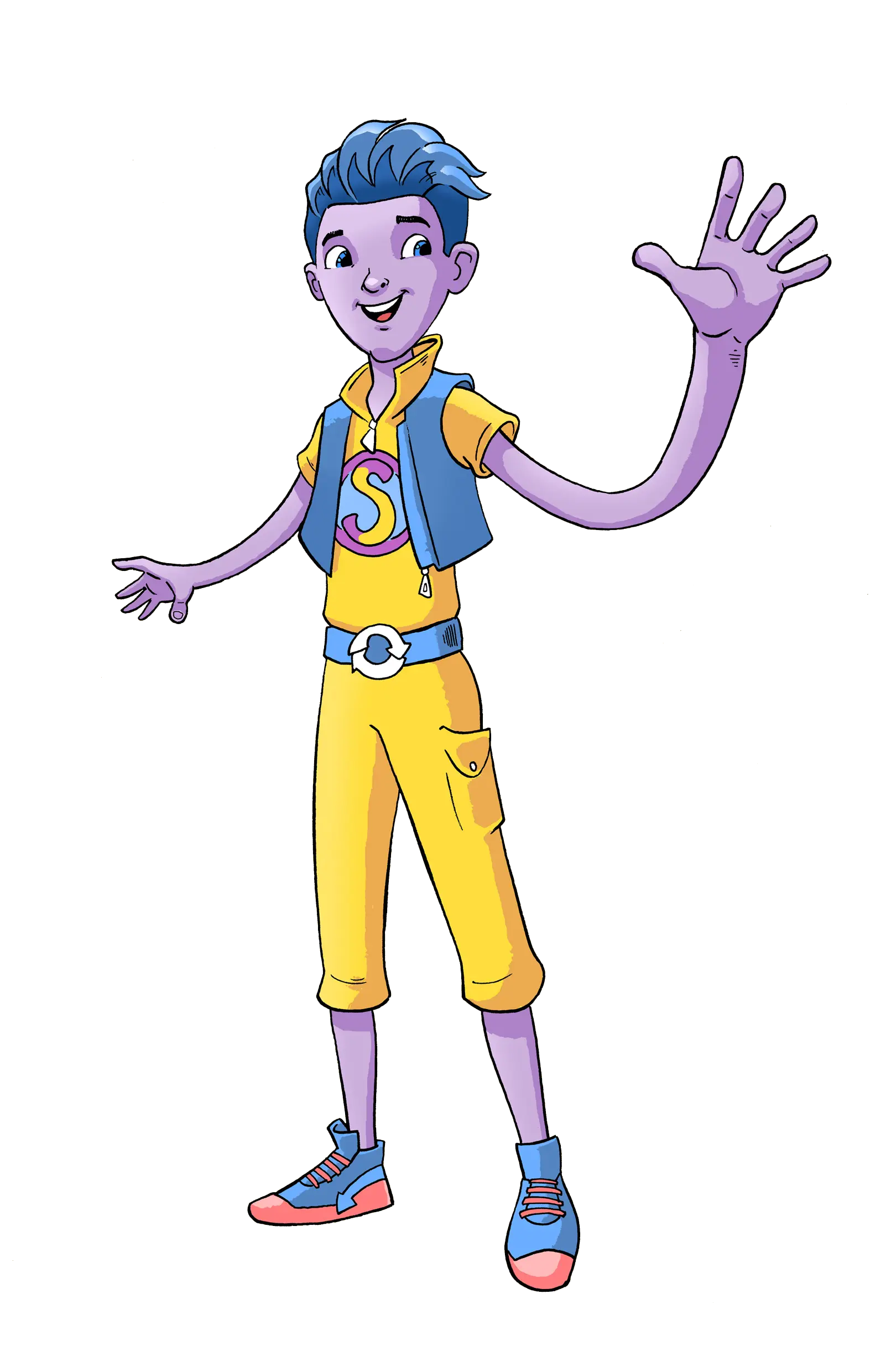
Plastic Recycling (Plasto)
Moving to develop 100% recycling. To eliminating harmful plastics through redesign, biodegradable alternatives, and fostering a cultural shift away from disposable products.
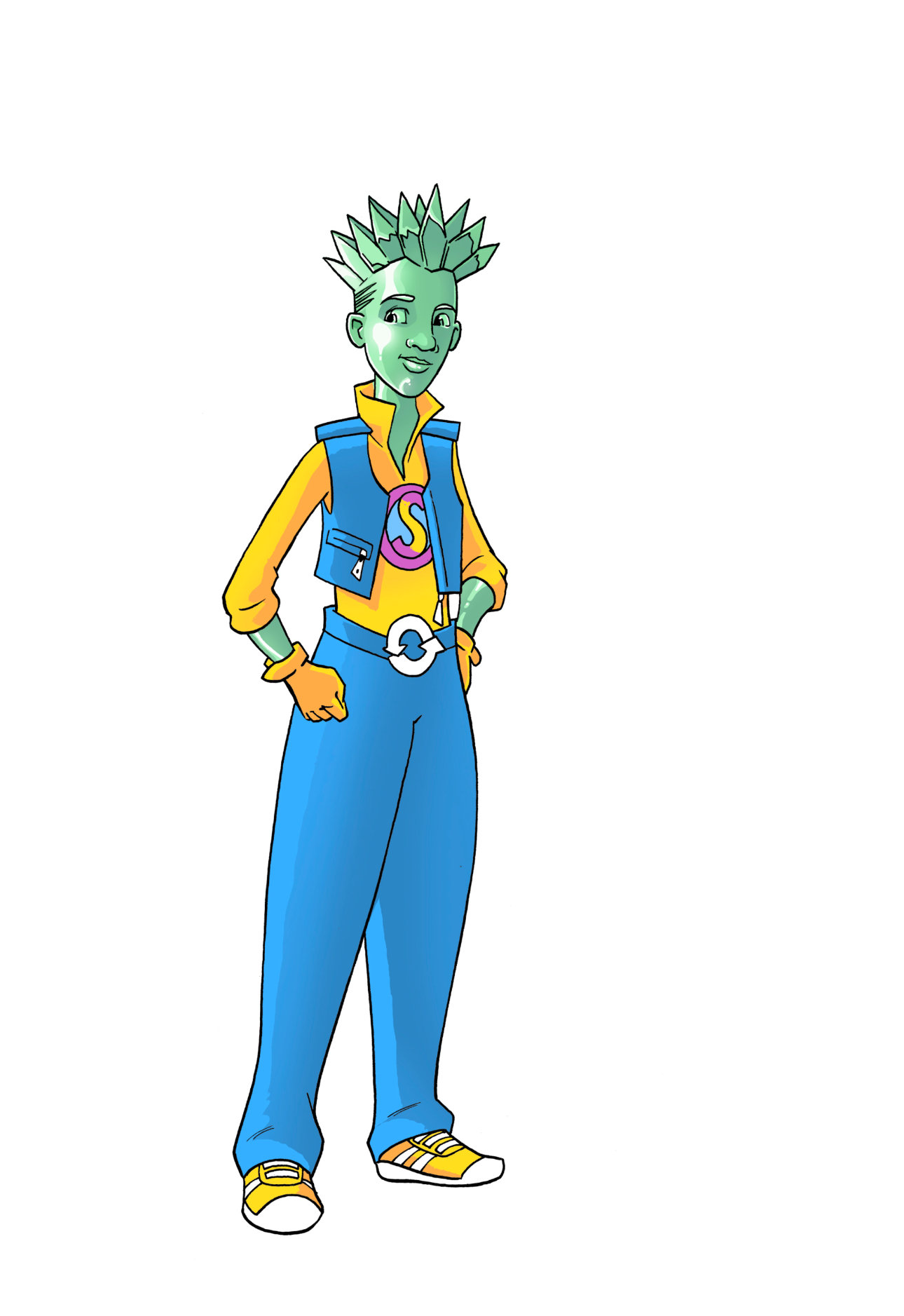
Glass Recycling (Shatter)
Innovating in upcycling and creative reuse to transform waste glass into valuable resources while minimising energy-intensive processing.


Metal Recycling (Metz)
Encouraging closed-loop recycling systems and designing products that prioritize easy disassembly and recovery of materials.

Paper and Cardboard (Cardie)
Developing circular paper systems that prioritize regenerative forestry, efficient recycling, and reducing the need for virgin materials.

Biosphere (Professor)
Advancing ecological restoration projects, such as wetlands, coral reefs, and urban greening to regenerate natural habitats.
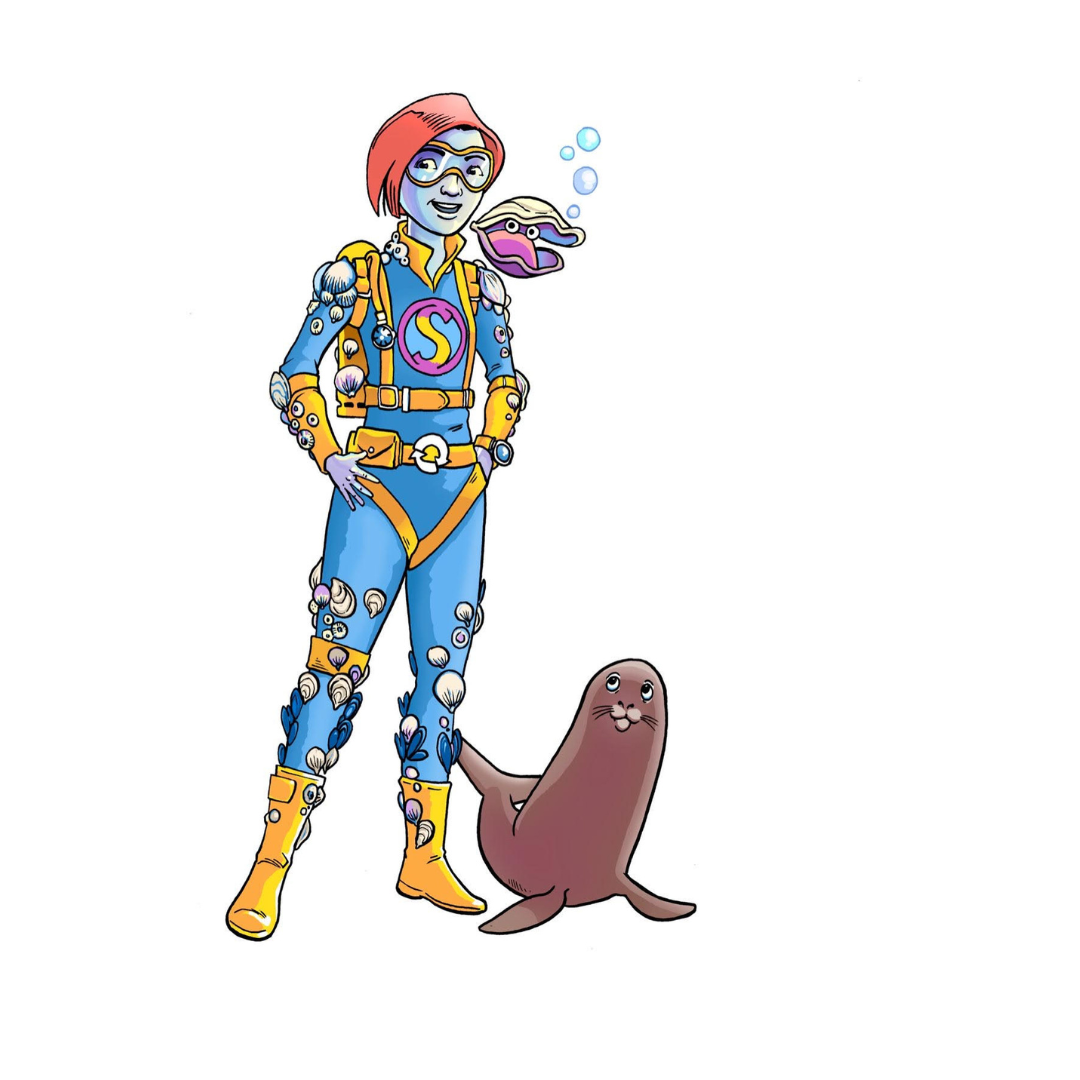
Food Systems (Shelly - Oceans, Oggie - Land)
Supporting sustainable aquaculture, permaculture, and regenerative fishing/farming practices to nourish people while restoring ecosystems.


Sustainable Design (Raven)
Championing regenerative design principles like biomimicry, cradle-to-cradle design, and creating products that integrate seamlessly with ecosystems.
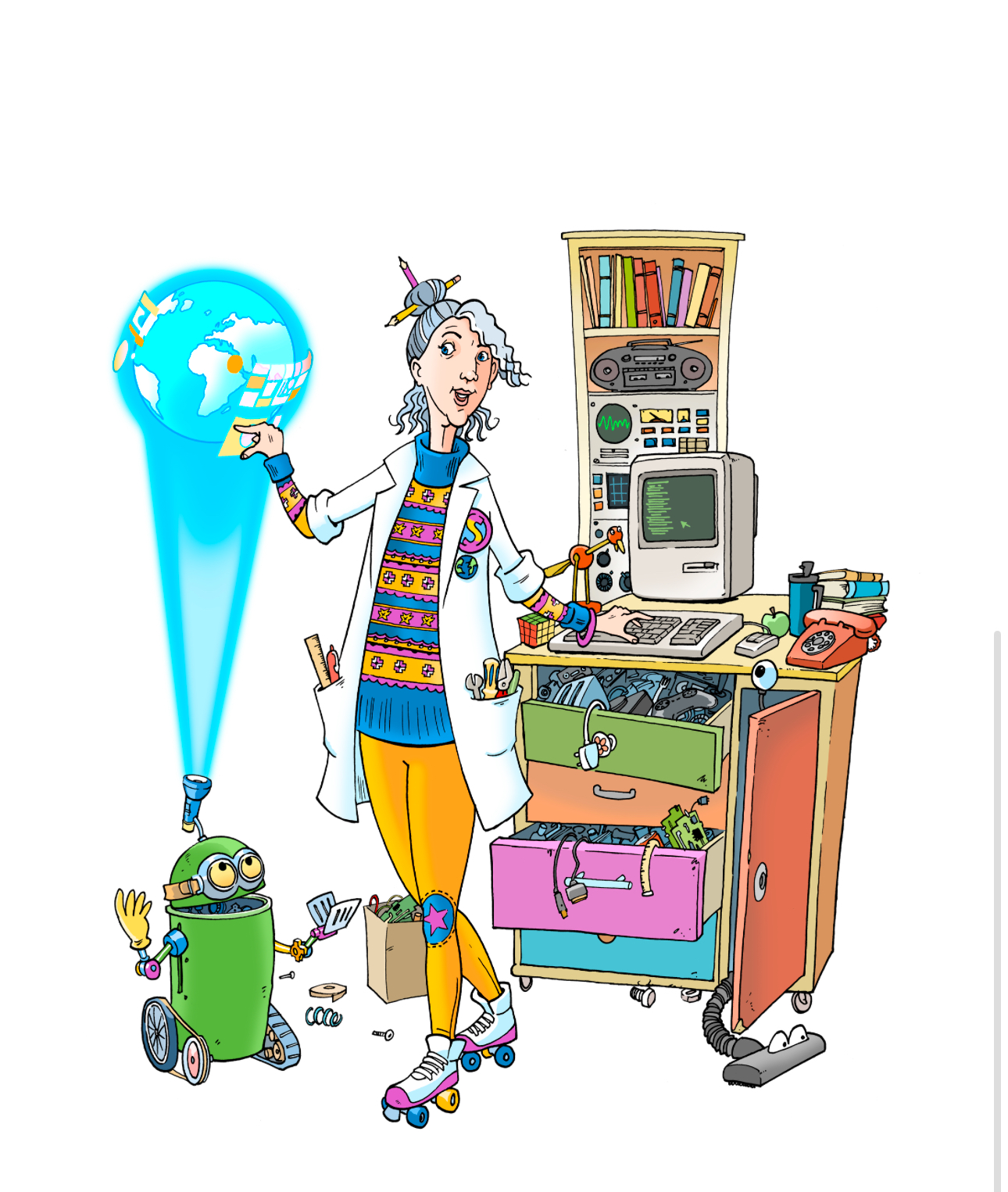
Circular Waste Systems (Systo and Circule)
Innovating in waste-to-resource systems, such as turning organic waste into compost or energy, while creating art and products from what was once discarded.