





Scottish Climate week
It's not all about Carbon, find out why and how you can develop Earth Stewards

Scottish Climate Week

Scottish Climate Week is an annual event organised by the Scottish Government to raise awareness about climate change and encourage action to reduce carbon emissions. It involves a variety of activities, campaigns, and events designed to engage individuals, businesses, and communities in sustainable practices and highlight the importance of addressing climate change. Scottish Climate Week typically features workshops, educational programs, community projects, and promotional efforts to inspire people to make environmentally-friendly choices in their daily lives and support Scotland’s efforts to combat climate change. The week aims to foster a collective commitment to a more sustainable and resilient future.


Stories For Change is the theme for 2024

For Primary Schools...
We think that this is a great opportunity to develop story writing about Sustainability and Climate Change

We have provided some themes and activities as a starter for teacher planning for climate  week.


They could be shared between year groups or one theme per year group

For Primary here are some themes and activities

1. The Tale of Bonnie the Brave Puffin

  • Storyline: Bonnie, a puffin living on the Scottish coast, notices that her favorite fish are disappearing. She embarks on a journey to find out why and learns about how climate change is affecting the ocean. With the help of her animal friends, Bonnie spreads the word about protecting the seas and inspires the local community to take action.
  • Themes: Ocean conservation, the impact of climate change on wildlife, community action.
  • Activities: Children can create their own “Save the Ocean” posters or write letters to local representatives about protecting marine life.

2. The Magical Forest of Glenmar

  • Storyline: In the ancient Glenmar forest, the trees can talk and share wisdom with the children who visit. The trees tell stories of how the forest has changed over the centuries and how the local community can help protect it from deforestation and pollution. The children in the story come up with creative ways to keep the forest healthy, like planting new trees and cleaning up litter.
  • Themes: Forest conservation, deforestation, community involvement.
  • Activities: Have students plant a tree or create a mini-forest in the classroom using recycled materials. They can also write a “pledge leaf” with promises to protect nature.

3. Finn and Isla’s Eco-Invention Adventure

  • Storyline: Finn and Isla are two inventive Scottish children who love building gadgets. When they learn about the problems of climate change, they decide to invent something that will help their village become more eco-friendly. They experiment with wind turbines, solar panels, and water-saving devices, eventually creating a system that powers their whole community using renewable energy.
  • Themes: Renewable energy, innovation, teamwork.
  • Activities: Encourage students to design their own eco-inventions using craft supplies. They can present their ideas to the class as part of a “climate fair.”

4. A Highland Journey with the Last Reindeer

  • Storyline: Set in the Scottish Highlands, this story follows a young child who discovers the last reindeer in the region. The reindeer shares stories of how the changing climate has pushed his family farther north, and together they embark on a journey to find a new home. Along the way, they meet various animals affected by climate change and learn about how to protect the delicate Highland ecosystem.
  • Themes: Climate impact on animals, habitat preservation, empathy.
  • Activities: Have the students create a “climate impact” map showing how different animals are affected by climate change. They can also draw or paint scenes from the story.

5. The Wind and the Wee Village

  • Storyline: In a small Scottish village, the wind suddenly stops blowing, and the villagers are left without power for their windmills. A group of children set out to find the source of the problem and learn about the importance of balancing energy use with nature. They discover that by working together and using a mix of renewable energy sources, they can keep their village running while protecting the environment.
  • Themes: Renewable energy, problem-solving, community cooperation.
  • Activities: Students can build simple windmills or solar ovens from recycled materials. They can also discuss how their own community can use renewable energy.

6. The River That Ran Dry

  • Storyline: A river that has flowed through a Scottish village for generations suddenly runs dry. The children of the village, with the help of an old, wise otter, investigate the cause. They learn about the effects of climate change on water resources and come up with a plan to conserve water and revive the river.
  • Themes: Water conservation, climate change effects on local ecosystems.
  • Activities: Create a classroom “water conservation pledge” where students commit to actions like turning off the tap while brushing their teeth. They can also write their own endings to the story, imagining different ways to save the river.

7. The Climate Heroes of Caledonia

  • Storyline: A group of children discovers that they have special powers related to the elements—wind, water, earth, and fire. They use these powers to protect Scotland’s natural landscapes from climate-related threats. Along the way, they educate their community on how everyone can be a climate hero, even without superpowers.
  • Themes: Environmental stewardship, personal responsibility, empowerment.
  • Activities: Students can create their own “Climate Hero” characters and write short stories or comics about their adventures. They could also design superhero capes with climate action messages.

8. Saving the Highland Cows

  • Storyline: The Highland cows in a remote part of Scotland are facing a food shortage due to changes in the climate. A young shepherd and her friends come up with innovative ways to grow more food sustainably and adapt to the changing weather. Through teamwork and creativity, they ensure that the cows and their community thrive.
  • Themes: Sustainable agriculture, adaptation to climate change, animal care.
  • Activities: Students can research and present different ways to grow food sustainably, like using greenhouses or community gardens. They can also create a “care guide” for the Highland cows, focusing on how to protect animals from climate change.

Climate is part of Sustainability and getting circular can help

What are the two biggest gases affecting our climate ?

Answer 

Carbon 

and 

Methane 

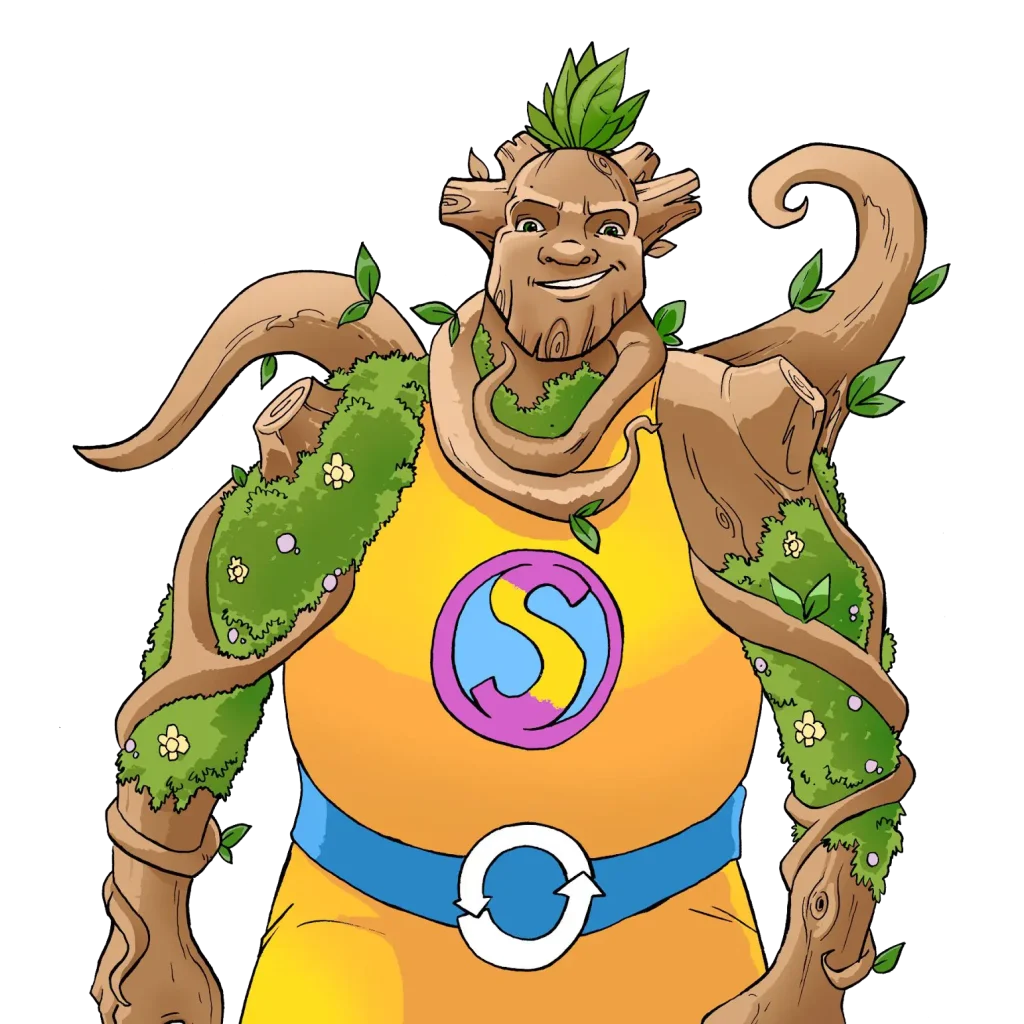
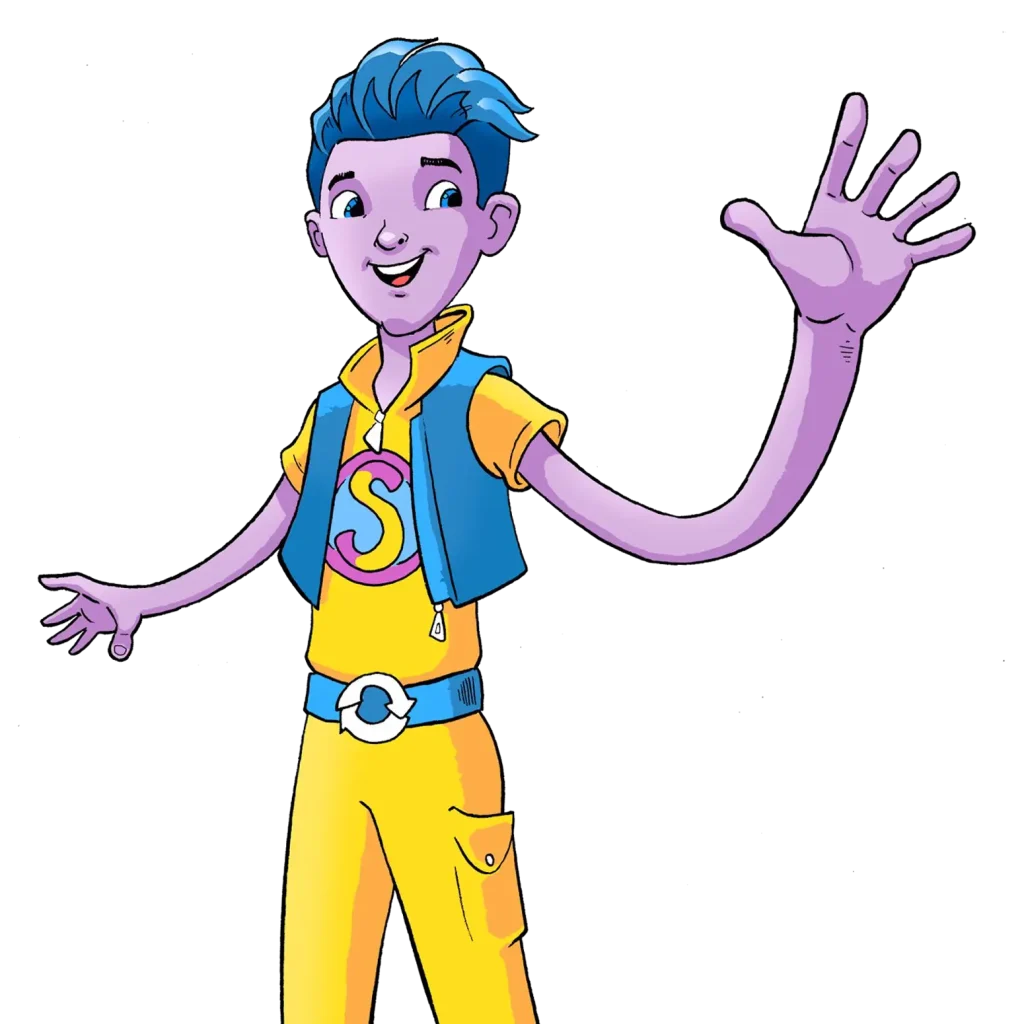
Make The Sustainables & The Renewables Part of your School

Use our display
materials

Visit our Resources page

 to download and print

 the characters to create a great Sustainability Climate Positive Environment

Jonas P

Great For House
Teams

Developing Earth Stewards through ownership of a resource such as paper, water, plastics or metals 

Establishing the
Importance of being an
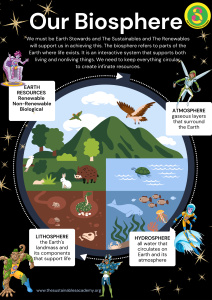
Earth Steward to our Biosphere

Use our YouTubes and PowerPoints

Start thinking for Scottish Climate week

Classroom Activities

  1. Project-Based Learning

    • Sustainability Projects: Assign projects where students create posters, models, or presentations on topics like recycling, renewable energy, or water conservation.
    • Circular Economy Projects: Have students design products that can be reused or recycled, or create art from recycled materials.
  2. Storytelling and Literature

    • Eco-Stories: Read stories or watch videos about environmental heroes, the importance of taking care of the planet, and the principles of the circular economy.
    • SDGs Stories: Share stories that illustrate the SDGs, such as clean water and sanitation, affordable and clean energy, and life on land.
  3. Discussion and Debate

    • Climate Change: Facilitate discussions on how climate change affects people and the planet, and what actions can be taken to mitigate its effects.
    • Rights and Respect: Discuss the rights of children, the importance of respecting others, and how these are related to a sustainable future.

Cross-Curricular Integration

  1. Science

    • Ecosystems: Explore local ecosystems and discuss the impact of human activities. Conduct simple experiments on pollution, recycling, and renewable energy.
    • Biodiversity: Study different species and habitats, and discuss why it is important to protect them.
  2. Maths

    • Data Collection: Collect data on classroom energy usage or waste production, and create graphs to visualise the information.
    • Carbon Footprint: Introduce basic calculations of carbon footprints for various activities.
  3. Social Studies

    • Global Impact: Learn about different cultures and how climate change affects communities around the world.
    • Rights and Responsibilities: Discuss the rights of children and how respecting these rights contributes to sustainable development.
  4. Art and Design

    • Recycled Art: Create art projects using recycled materials.
    • Design for Sustainability: Encourage students to design products or packaging that minimize waste.

School-Wide Initiatives

  1. Eco-School Certification

    • Green Flag Award: Work towards achieving or maintaining the Eco-Schools Green Flag Award by engaging in various sustainability projects and initiatives.
  2. Sustainability Challenges

    • Energy Saving: Conduct a school-wide energy-saving challenge, encouraging classes to turn off lights and devices when not in use.
    • Waste Reduction: Implement a waste reduction and recycling challenge.
  3. Guest Speakers and Workshops

    • Experts: Invite local environmentalists, recycling experts, or representatives from sustainable businesses to speak to the students.
    • Interactive Workshops: Arrange hands-on workshops on topics such as composting, planting trees, or making crafts from recycled materials.
  4. Community Engagement

    • Clean-Up Events: Organise a community clean-up day where students, parents, and teachers can work together to clean local parks or neighbourhoods.
    • Partnerships: Collaborate with local businesses or organisations to support sustainability initiatives.

Rights and Respecting Schools

  1. Rights Education

    • UNCRC: Teach students about the United Nations Convention on the Rights of the Child (UNCRC) and how these rights connect to environmental sustainability.
    • Respectful Relationships: Foster a classroom environment that promotes respect for others and the planet.
  2. Inclusive Practices

    • Diverse Voices: Include stories and examples from diverse cultures and communities to highlight global perspectives on sustainability.
    • Student Voice: Encourage students to voice their ideas and opinions on how to make their school more sustainable.

Sustainable Development Goals (SDGs)

  1. SDG Integration

    • Goal Mapping: Create a visual map of the SDGs and identify which classroom activities and projects contribute to each goal.
    • SDG Challenges: Set specific challenges for students to address particular SDGs, such as reducing plastic waste (SDG 14: Life Below Water) or promoting clean energy (SDG 7: Affordable and Clean Energy).
  2. Global Citizenship

    • Connecting Locally and Globally: Teach students about their role as global citizens and how their actions can have a positive impact both locally and globally.
Aqua
Wave-1.png

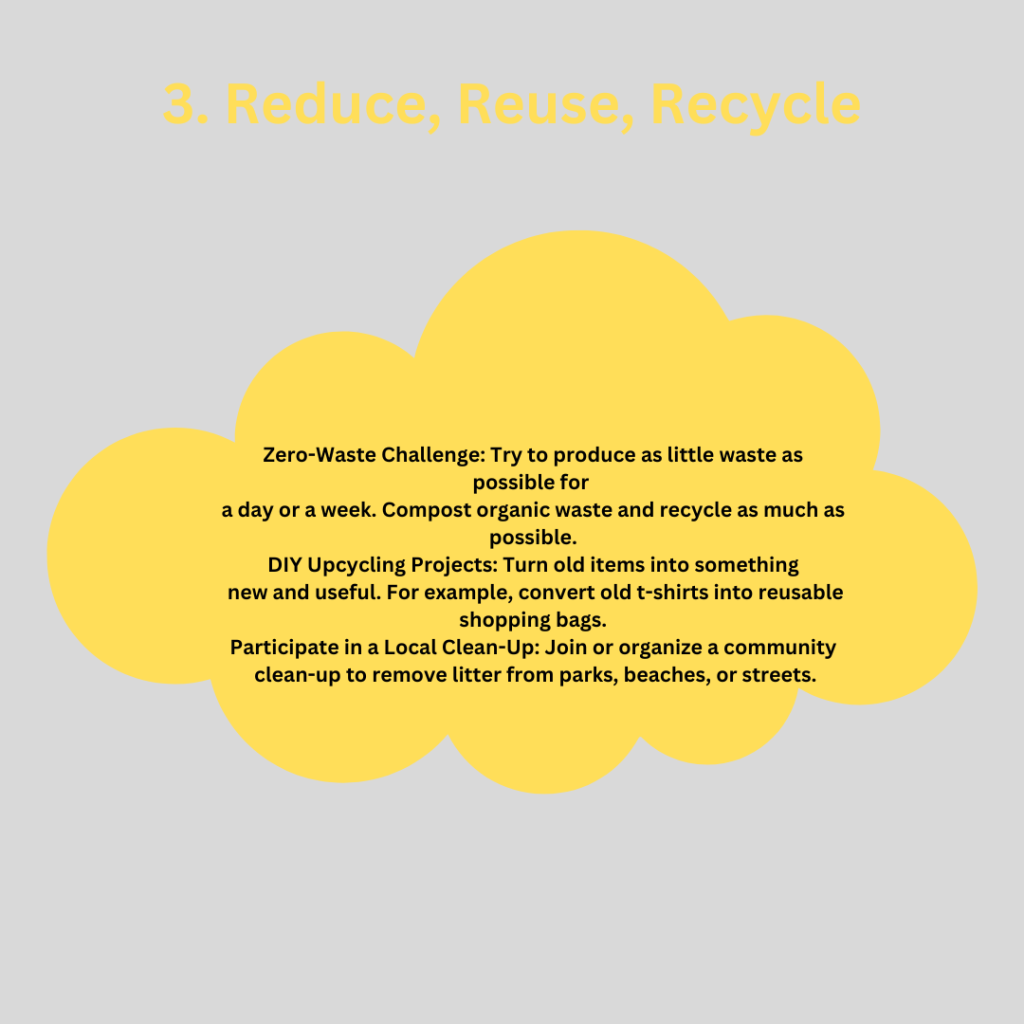
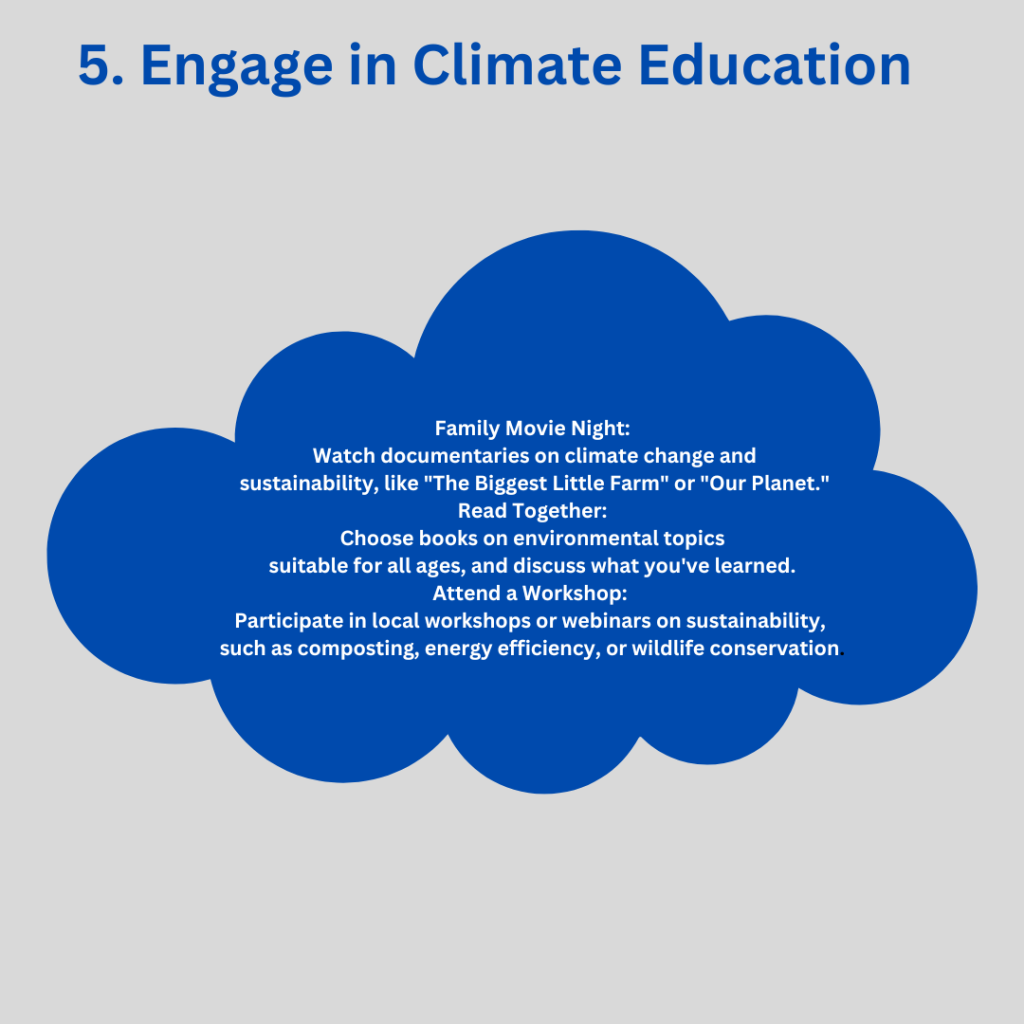
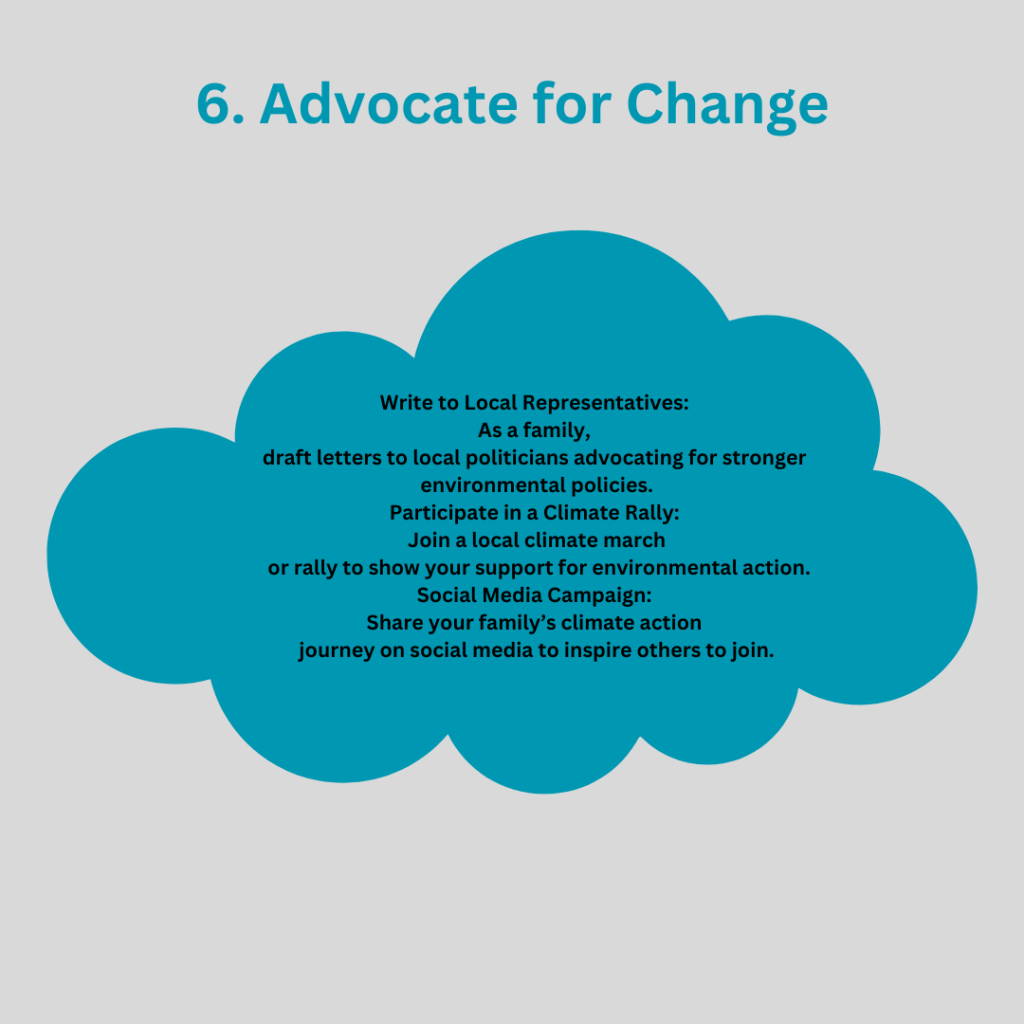
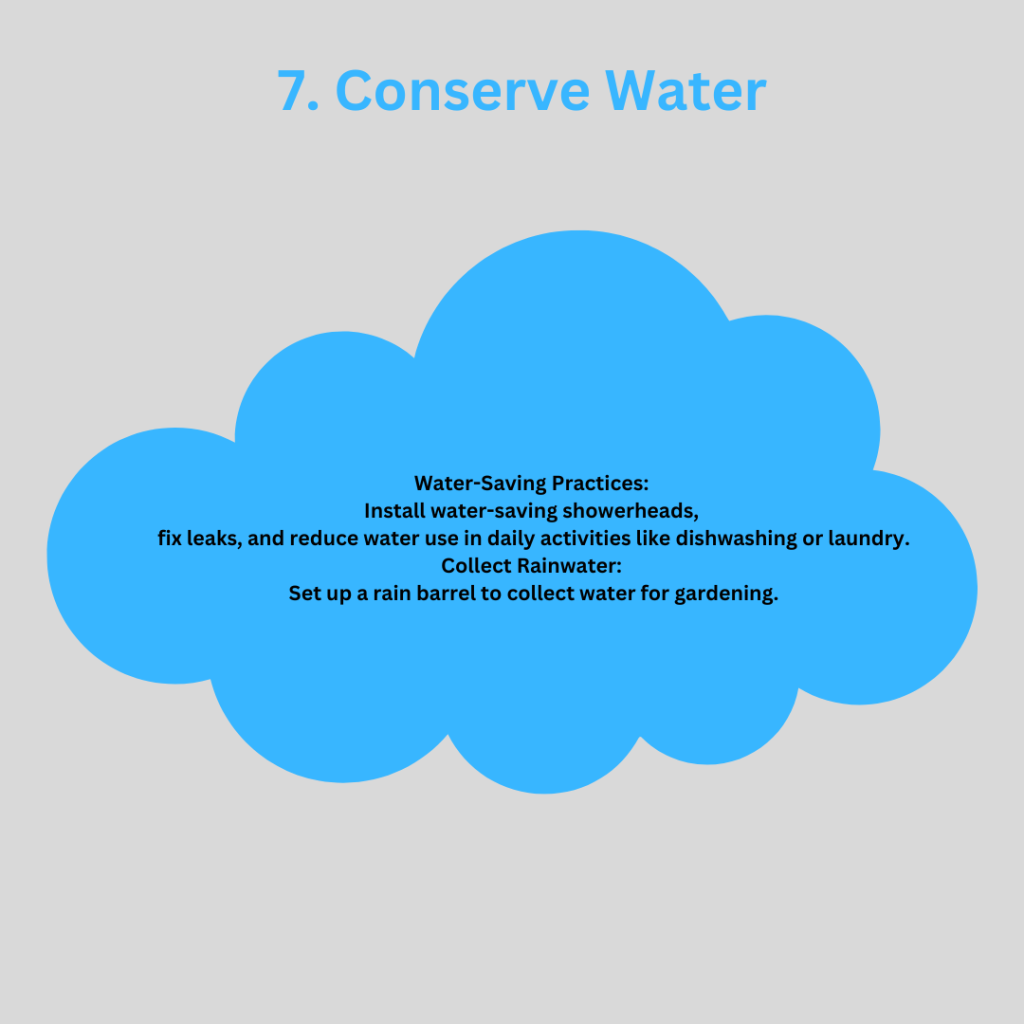
Ideas to share with families

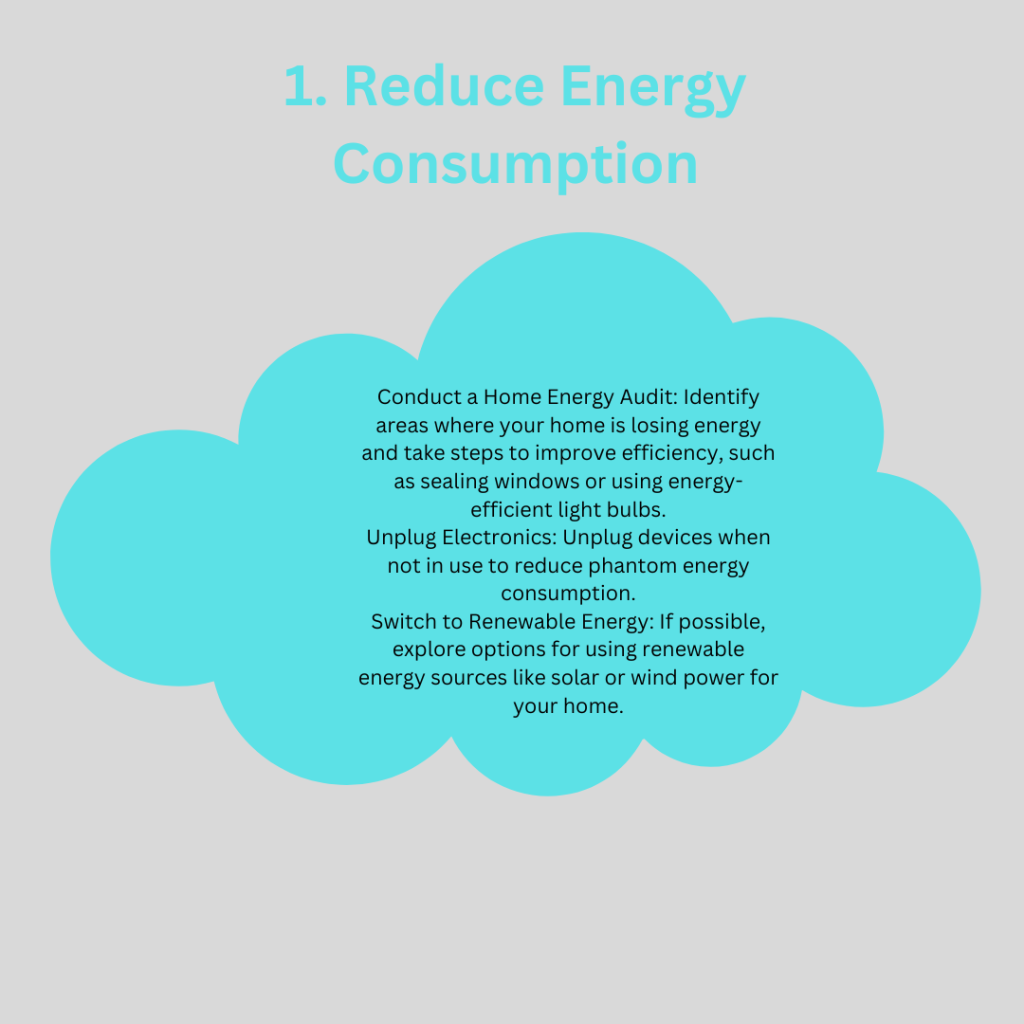
Reduce Energy Consumption
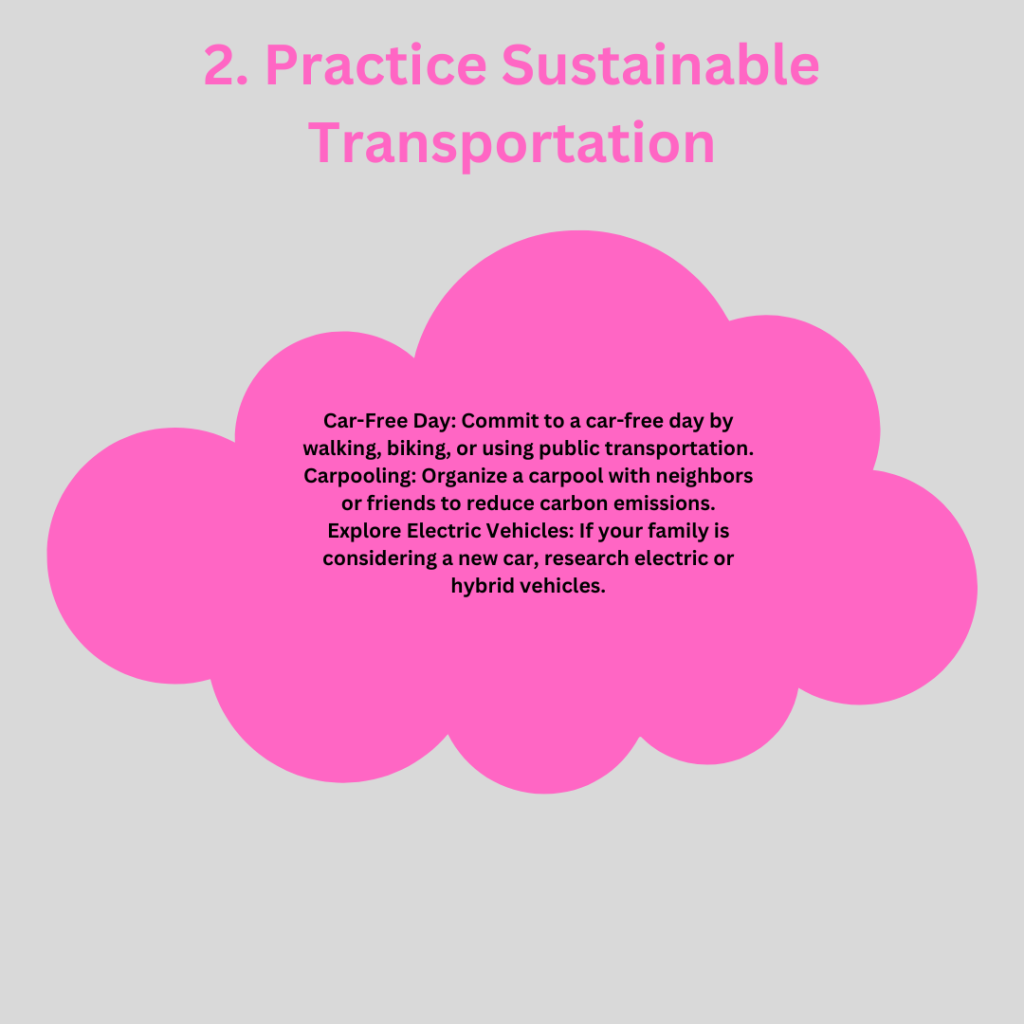
Practice Sustainable Transport
Reduce Reuse Recycle
10RS
Support Sustainable Food Choices
Engage in Climate Education
Advocate for Change
Conserve Water
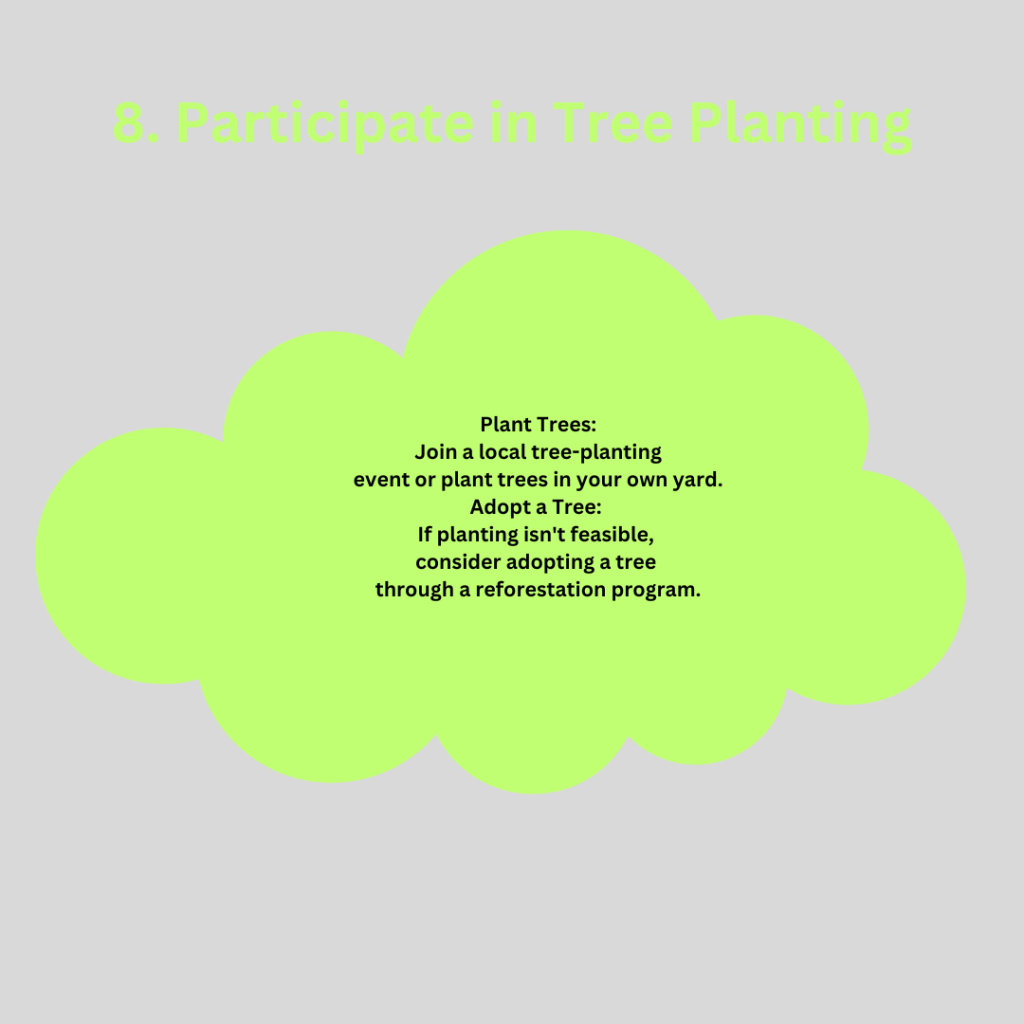
Participate in Tree Planting
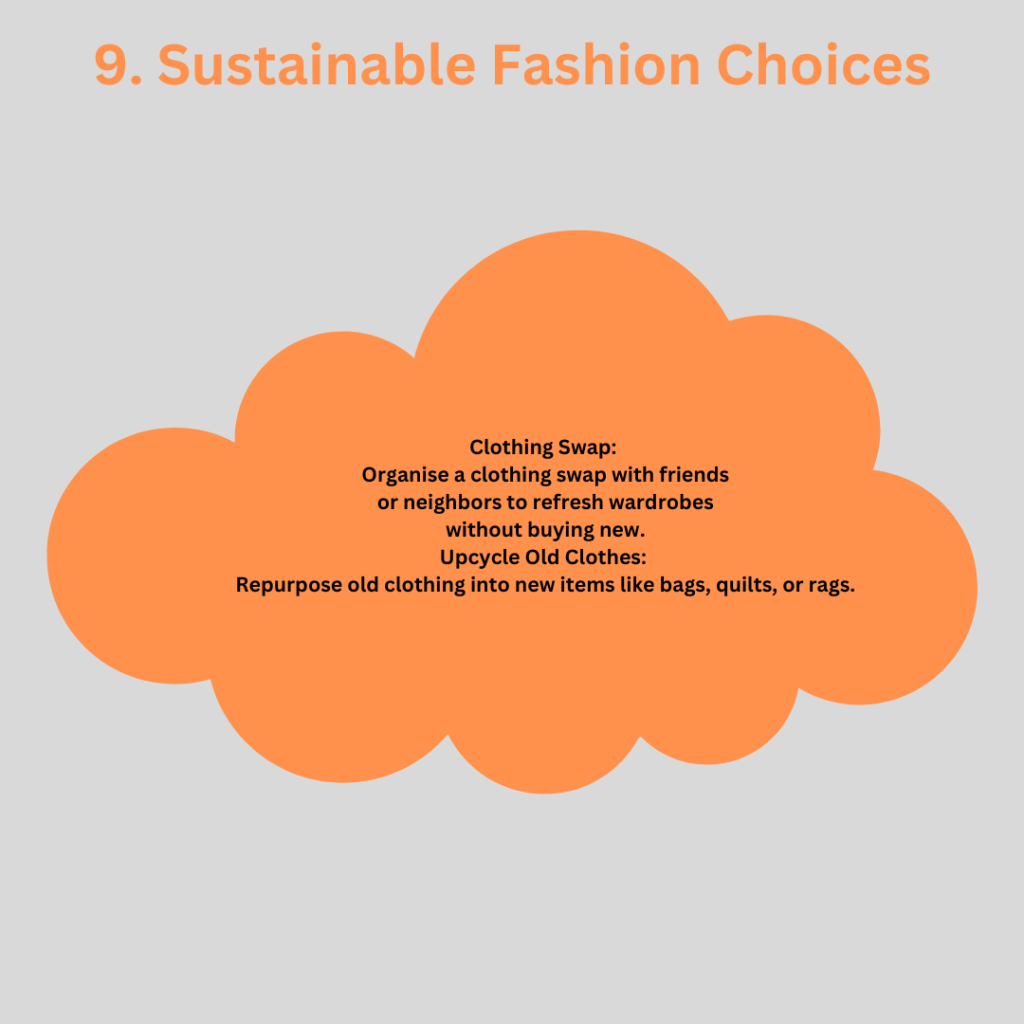
Sustainable Fashion Choices
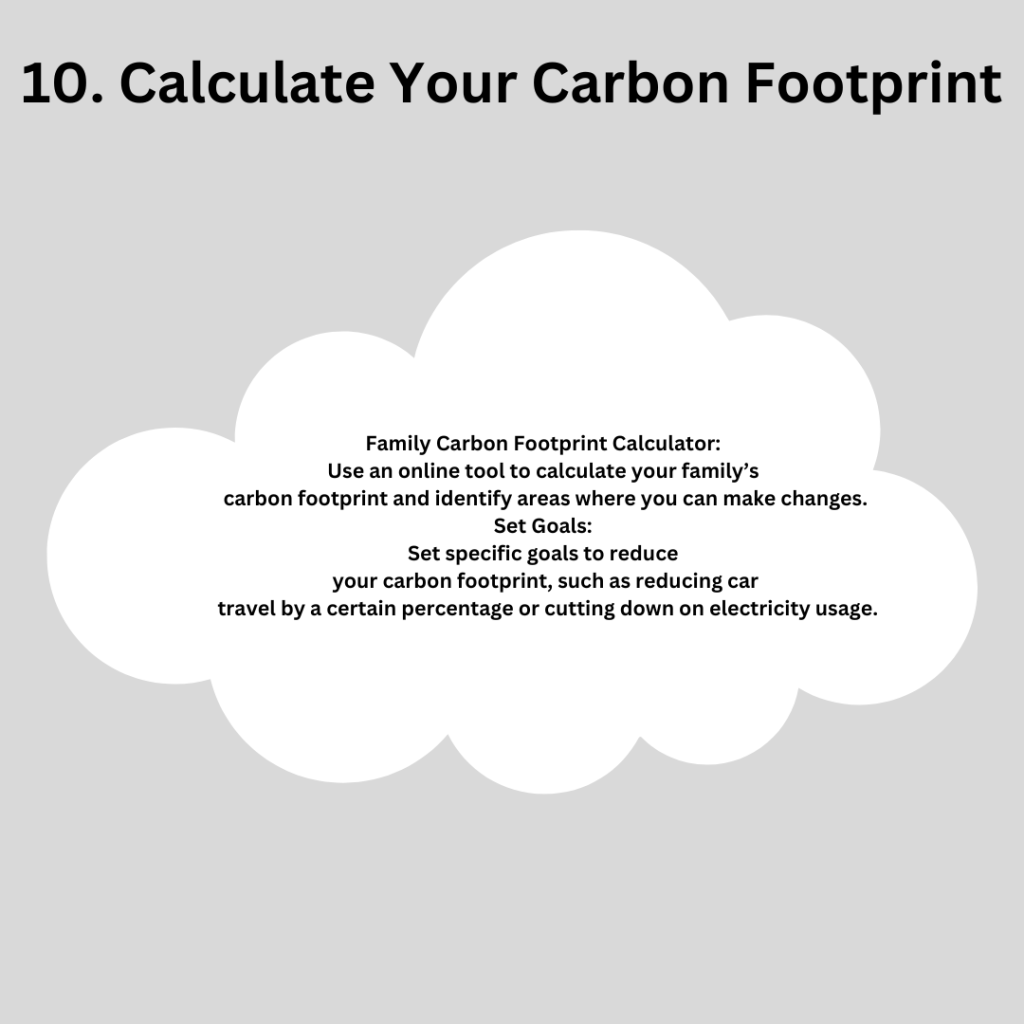
Calculate you carbon footprint
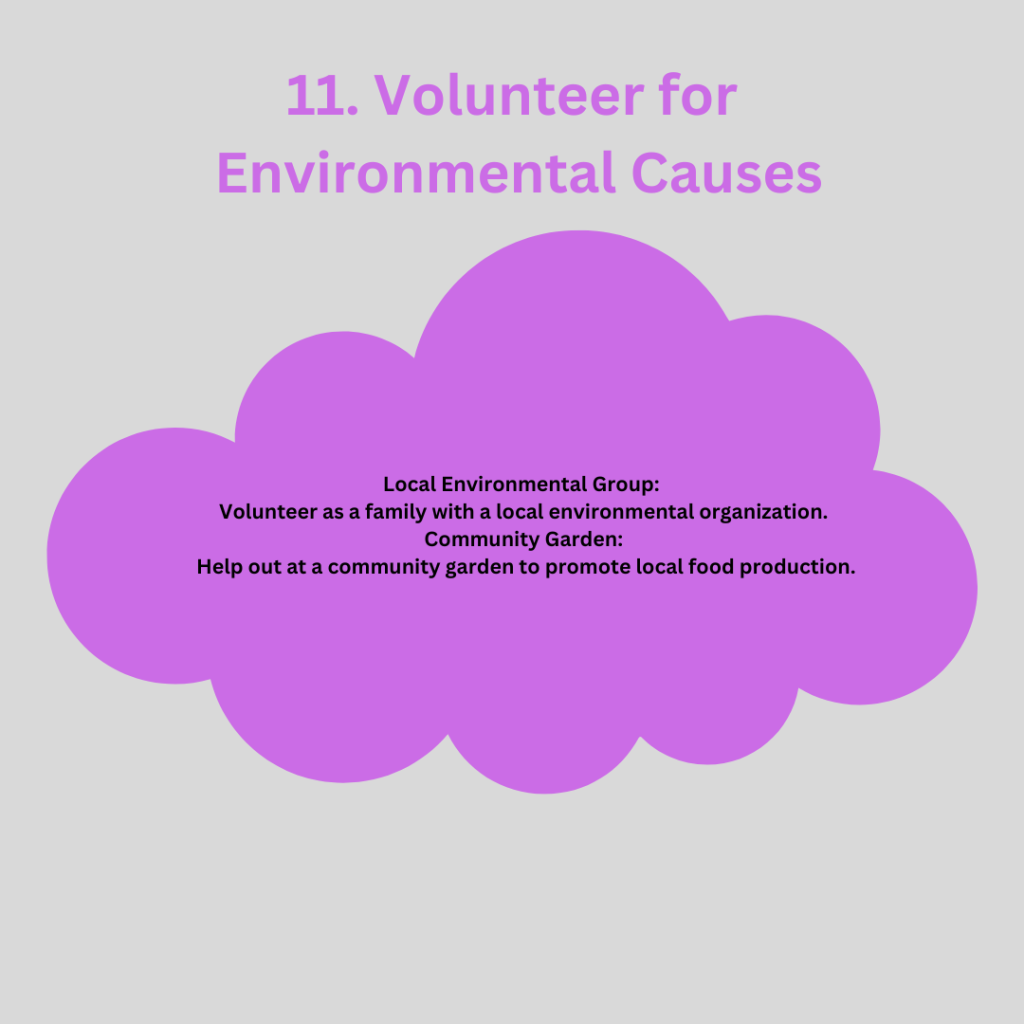
Volunteer for environmental causes
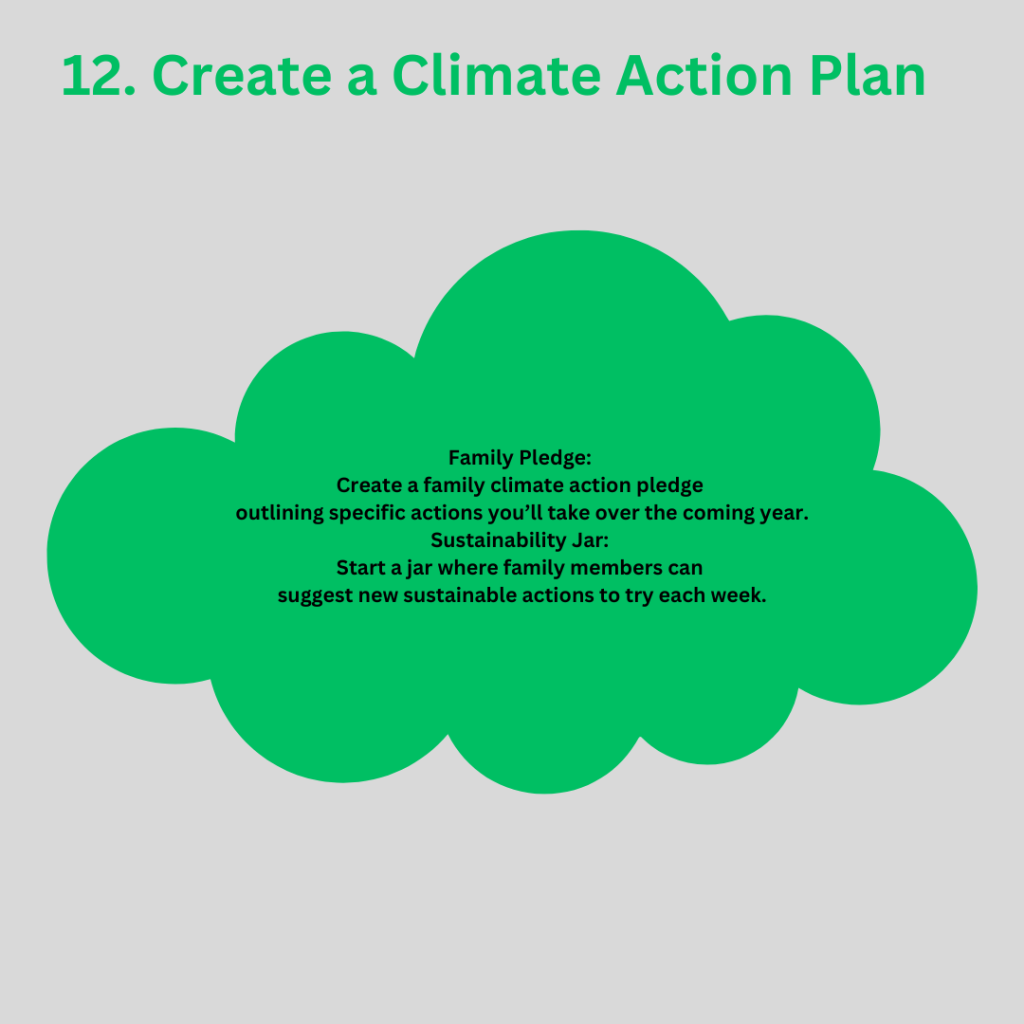
Create a Climate Action Plan
Scroll to Top