

Contents
How Sustainable is My Classroom
Sustainable Action Plan Support
Whole school Themes and Assembly Plan for the year
Key aspects to consider for your school
Sustainable Action Plan Support

Biodiversity and Green Spaces
Presence of school gardens, wildlife areas, or tree-planting initiatives. Efforts to encourage biodiversity, such as pollinator-friendly plants. Integration of outdoor learning and nature-connectedness in the curriculum.

Transport and Travel
Availability of walking, cycling, or carpooling initiatives. Policies to reduce car usage, such as safe walking paths or bike storage. Use of sustainable transport options for school trips.

Materials and Procurement
Sustainable sourcing of materials, such as eco-friendly stationery and uniforms. Efforts to reuse and recycle classroom materials. Policies on avoiding harmful or unsustainable products.

Community Engagement
Collaboration with local organisations or environmental groups. Involvement of learners, staff, and families in sustainability projects. Outreach efforts to share sustainable practices with the wider community.

Governance and Leadership
Presence of a sustainability committee or eco-council. Clear sustainability goals and policies in place. Regular audits and reports on progress in sustainability initiatives.

Technology and Digital Practices
Use of energy-efficient devices and technology in classrooms and offices. Policies to minimise electronic waste, such as recycling old devices responsibly. Promotion of digital tools to reduce paper usage and support online learning.


Climate Education and Awareness
Integration of sustainability topics into everyday teaching and learning. Opportunities for learners to engage in climate action projects. Programs to address climate mental health and foster resilience.

Wellbeing and Equity
Initiatives to ensure the school environment supports mental and physical wellbeing, such as green spaces for relaxation or mindfulness programs. Promotion of equitable access to sustainable practices, such as affordable eco-friendly school supplies or uniforms. Efforts to ensure all voices are heard in sustainability discussions, fostering a sense of inclusivity and shared responsibility.
How Sustainable is my Class Room
Environmentally Friendly Resources
Use recycled or upcycled materials for art and activities.
Choose reusable items (e.g. whiteboards instead of paper, refillable glue sticks, class water bottles).
Avoid single-use plastics wherever possible.
Energy and Water Awareness
Encourage learners to switch off lights and devices when not in use.
Use natural light and ventilation.
Install water-saving taps or use timers during handwashing.
Waste Management and Circular Thinking
Provide clear, labelled recycling and compost bins.
Promote “waste-free” lunches.
Use classroom leftovers creatively (scrap paper boxes, junk modelling tubs).
Nature and Outdoor Connection
Create a mini classroom garden, windowsill planting trays, or bug hotel.
Take learning outdoors often — nature walks, litter picks, storytelling under trees.
Celebrate local biodiversity and seasonal change.
Values and Behaviour
Embed sustainability in class routines and discussions.
Model respect, care, and responsibility for the Earth.
Create a class eco-code or charter together.
Curriculum Integration
Link sustainability themes across subjects: science (life cycles), literacy (eco-stories), maths (energy use), and art (natural materials).
Use topics that connect learners to the real world and empower them to take action.
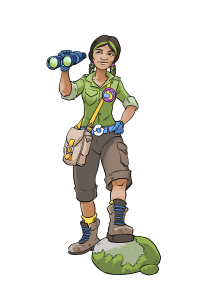
Our Earth Stewards are highlighting the key aspects
to consider in having a sustainable school.
How Sustainable is My school?
Sustainability is more than just a buzzword—it’s a mindset, a practice, and a responsibility we all share to protect the Earth’s resources for future generations. Schools have a unique opportunity to lead the way in embedding sustainable practices, fostering a culture of stewardship, and inspiring learners to be changemakers in their communities.
Our page How Sustainable Is Your School?, invites learners and educators to explore their school’s sustainability journey. By reflecting on key areas such as energy use, waste management, food choices, biodiversity, and transport, this exploration empowers schools to identify successes and opportunities for improvement.
Using this guide, learners will investigate real-world challenges, develop creative solutions, and take meaningful action.
Along the way, you will discover the power of collective effort and how small changes can make a big difference.
Whether your school is already a green leader or just beginning its journey, this activity is designed to inspire curiosity, critical thinking, and collaboration. Let’s uncover how sustainable your school is—and how it can become even better for the planet!