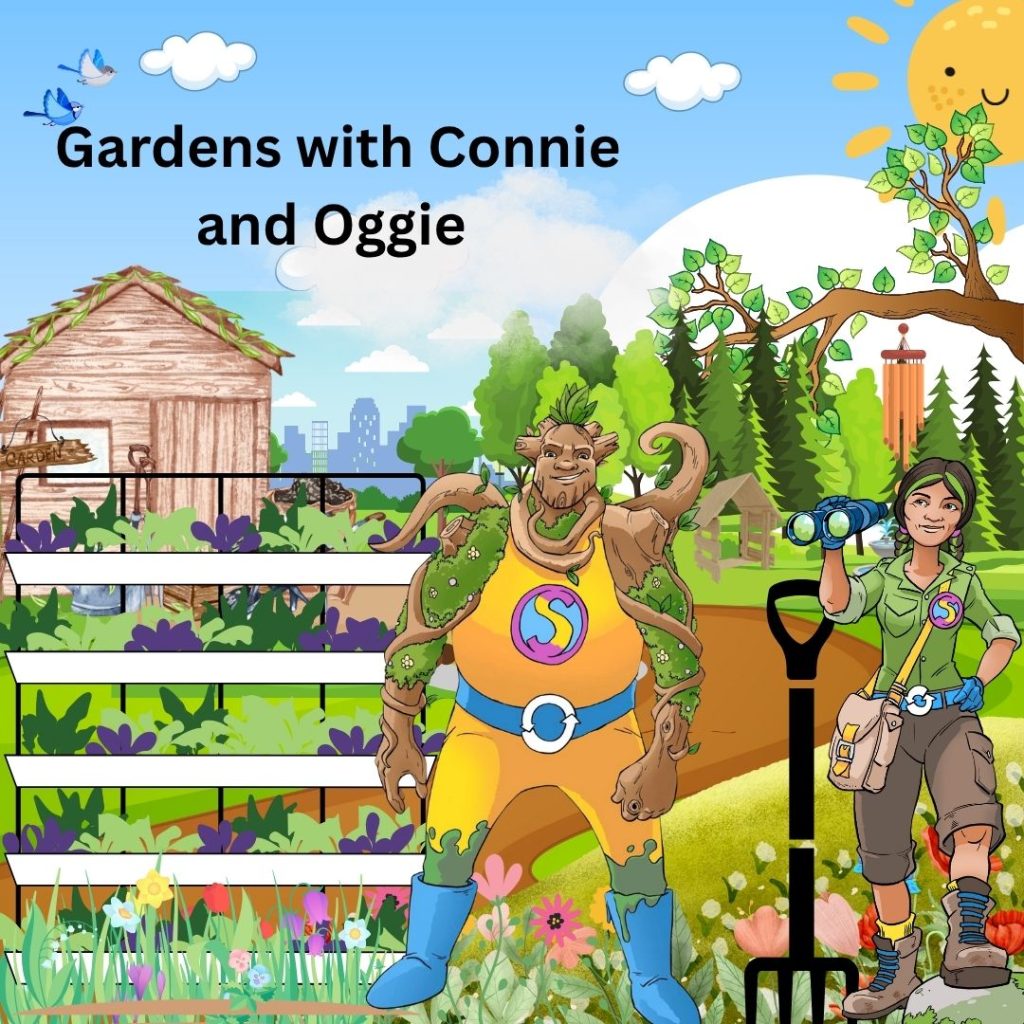
Gardens with Connie and Oggie

There are so many Types of Gardens to explore 

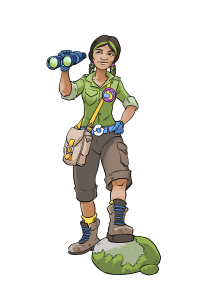
with our team. Connie and Oggie are leading this area with the help of other Erath Stewards 

Connie has been
exploring gardens around the world

Types of Gardens Around the World 


Urban Settings
Garden TypeDescription
Rooftop GardensFound on building rooftops to grow food or provide green space in dense cities.
Vertical Gardens / Green WallsGardens grown up walls using hydroponics or soil pockets — space-saving and decorative.
Community GardensShared public or private spaces where people grow food, flowers, or herbs together.
Balcony GardensSmall container gardens for flats or apartments — herbs, vegetables, or flowers.
Pocket Parks / Mini GardensTiny green spaces developed in unused city corners for biodiversity or relaxation.
Sensory or Therapeutic GardensCreated in schools, hospitals, or care homes to support wellbeing and education.
Pollinator GardensGardens designed to attract bees, butterflies, and other pollinators in urban areas.

Rural and Agricultural Settings

Garden TypeDescription
Cottage Gardens (UK/Europe)Informal, flower-filled gardens that often mix food and ornamentals.
Homestead or Kitchen GardensTraditional family gardens for growing vegetables, herbs, and medicinal plants.
Agroforestry GardensMix trees and crops to support biodiversity and sustainable farming.
Medicinal Herb GardensUsed in rural areas for growing native or traditional healing plants.
Orchard GardensDesigned for fruit production (e.g. apples, mangoes, olives, etc.).
Permaculture GardensSustainable, self-sufficient systems designed using ecological principles.

Gardens in Specific Ecosystems

1. Tropical Ecosystems

Rainforest Gardens – Dense, lush plantings of native species, often with edible or medicinal uses.

Shaded Understory Gardens – Mimic rainforest layers and support biodiversity.

2. Arid and Desert Ecosystems

Xeriscape Gardens – Drought-tolerant plants using minimal water (e.g. cacti, succulents).

Rock Gardens – Use stones and minimal soil for desert-loving plants.

Wadi Gardens – Traditional Middle Eastern gardens using seasonal flood channels.

3. Temperate Ecosystems

Woodland Gardens – Feature shade-tolerant plants, mosses, ferns, and native species.

Wildlife Gardens – Designed to support birds, insects, amphibians with log piles, ponds, and native flora.

4. Wetland or River Ecosystems

Bog or Marsh Gardens – Built around ponds or water features, using reeds, rushes, and water-loving plants.

Floating Gardens – Like those in Bangladesh or Inle Lake (Myanmar) — soil mats floating on water for crops.

5. Mountain Ecosystems

Alpine Gardens – Use cold-tolerant, hardy species such as edelweiss and cushion plants.

Terrace Gardens – Step-shaped gardens that prevent erosion and use gravity-fed irrigation.


 Educational and Cultural Gardens (Found in Any Region)

Garden TypeDescription
Ethnobotanical GardensShowcase plants used by Indigenous or local cultures for food, medicine, and rituals.
School GardensUsed to teach science, sustainability, and nutrition.
Monastic /Spiritual or Memory GardensFound in temples, monasteries, or churches — symbolic and contemplative.
Botanical GardensLarge collections of global plant species for education, conservation, and research.
Sacred or Zen Gardens (Japan)Designed for mindfulness, using gravel, stones, moss, and carefully placed plants.

Great Books About Gardens

Stories in Literature About Gardens

 Classic Literature

TitleAuthorGarden Role
The Secret GardenFrances Hodgson BurnettA hidden, locked garden becomes a symbol of healing and transformation. A classic for upper primary and beyond.
Alice’s Adventures in WonderlandLewis CarrollIncludes surreal garden scenes like the Queen’s rose garden — symbolic of logic, absurdity, and childhood imagination.
Tom’s Midnight GardenPhilippa PearceA magical time-travel garden that appears at midnight, connecting past and present.
The Garden PartyKatherine MansfieldThe garden reflects class and privilege; used to contrast wealth and mortality.
Paradise LostJohn MiltonThe Garden of Eden represents innocence, temptation, and the fall of humanity.
CandideVoltaireEnds with the line “we must cultivate our garden,” symbolising rational effort and self-sufficiency.

 Modern and Contemporary Literature

TitleAuthorGarden Role
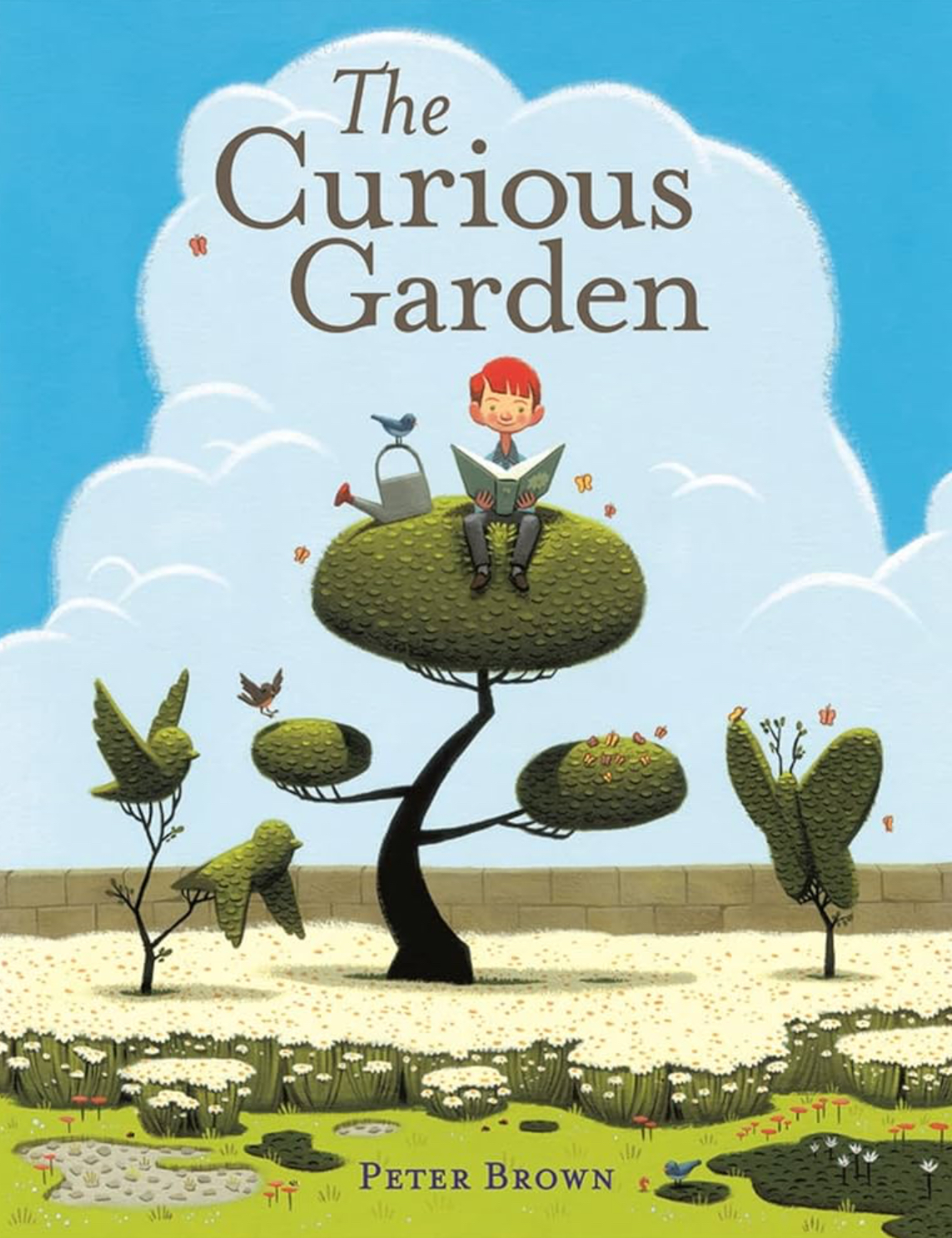
The Curious Garden(children’s)Peter BrownA boy transforms a grey city into a green, lush space — inspired by the real High Line in NYC.
The Garden of Evening MistsTan Twan EngA garden in post-war Malaya becomes a space of memory, trauma, and reconciliation.
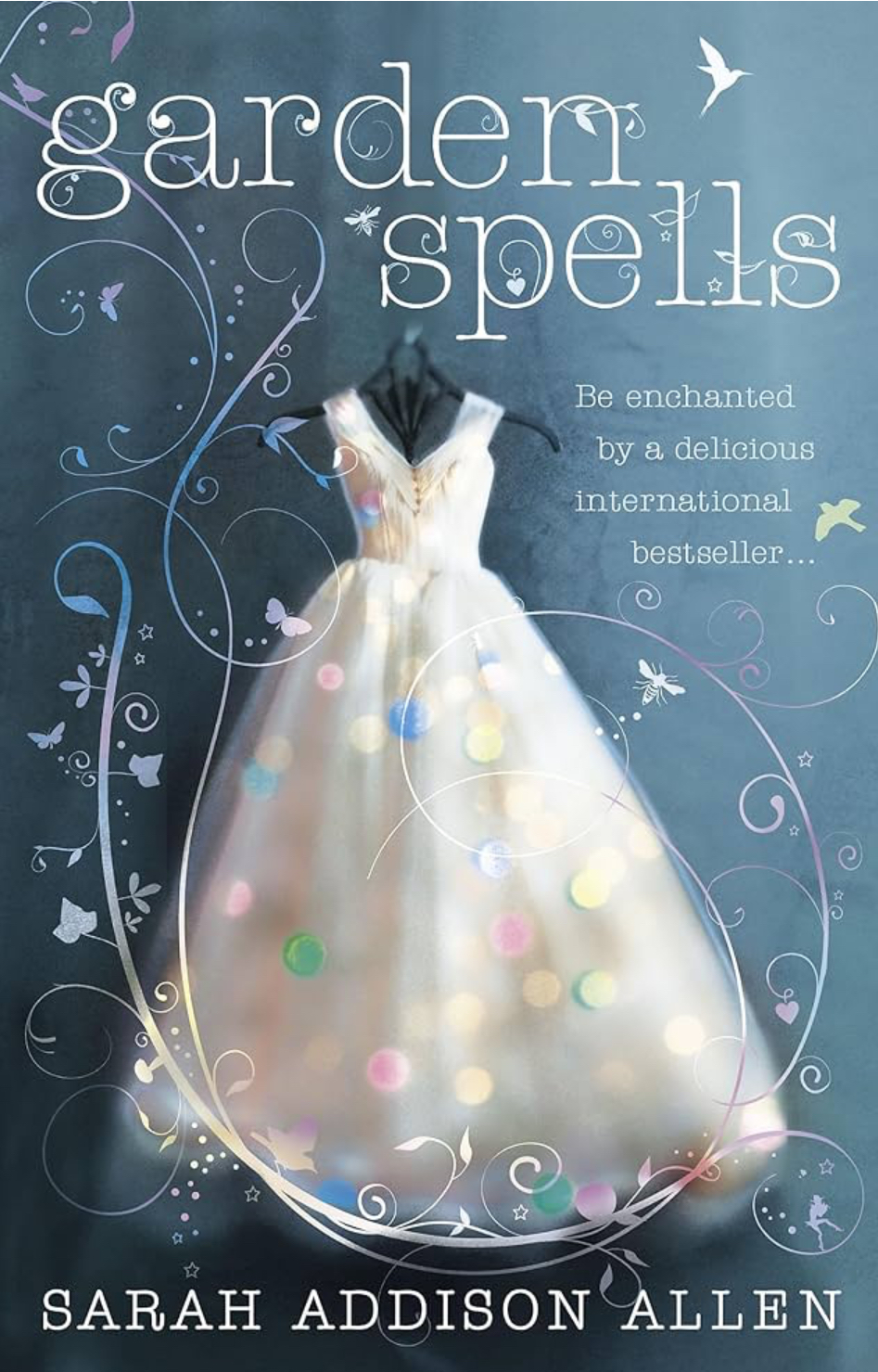
Garden SpellsSarah Addison AllenMagical realism — a garden with enchanted plants that influence human behaviour.
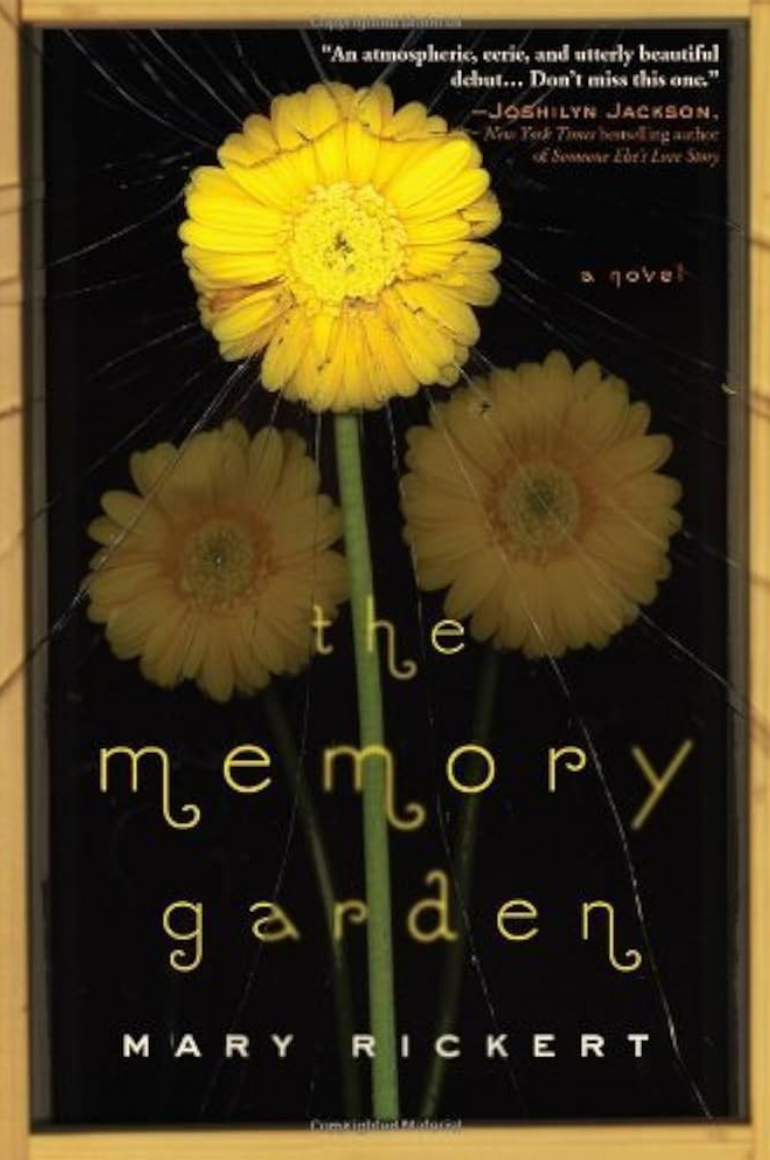
The Memory GardenMary RickertA blend of folklore and memory, with a garden that holds secrets and histories.
The Forgotten GardenKate MortonA historical mystery about identity, with a garden as the link between generations.

 Multicultural & Mythological Connections

StoryCulture / AuthorGarden Theme
The Garden of EdenBiblical / Abrahamic traditionsA universal symbol of origin, temptation, and paradise lost.
The Hanging Gardens of BabylonAncient Mesopotamian mythOne of the Seven Wonders — represents abundance and human achievement.
Ashurbanipal’s Royal GardenAncient AssyrianHistorical records show grand gardens as symbols of power and knowledge.
The Nightingale and the RoseOscar WildeA rose garden where a bird sacrifices herself — symbol of love and loss.
Japanese Zen GardensEastern traditionsRepresent harmony, stillness, and meditation — used in stories and poetry.
Persian Paradise GardensIn Persian poetry (e.g. Rumi, Hafez)Symbolise spiritual joy and divine beauty.

 Stories and Picture Books for Children

TitleAuthorGarden Element
And Then It’s SpringJulie FoglianoA child waits patiently for a garden to grow — a metaphor for hope and change.
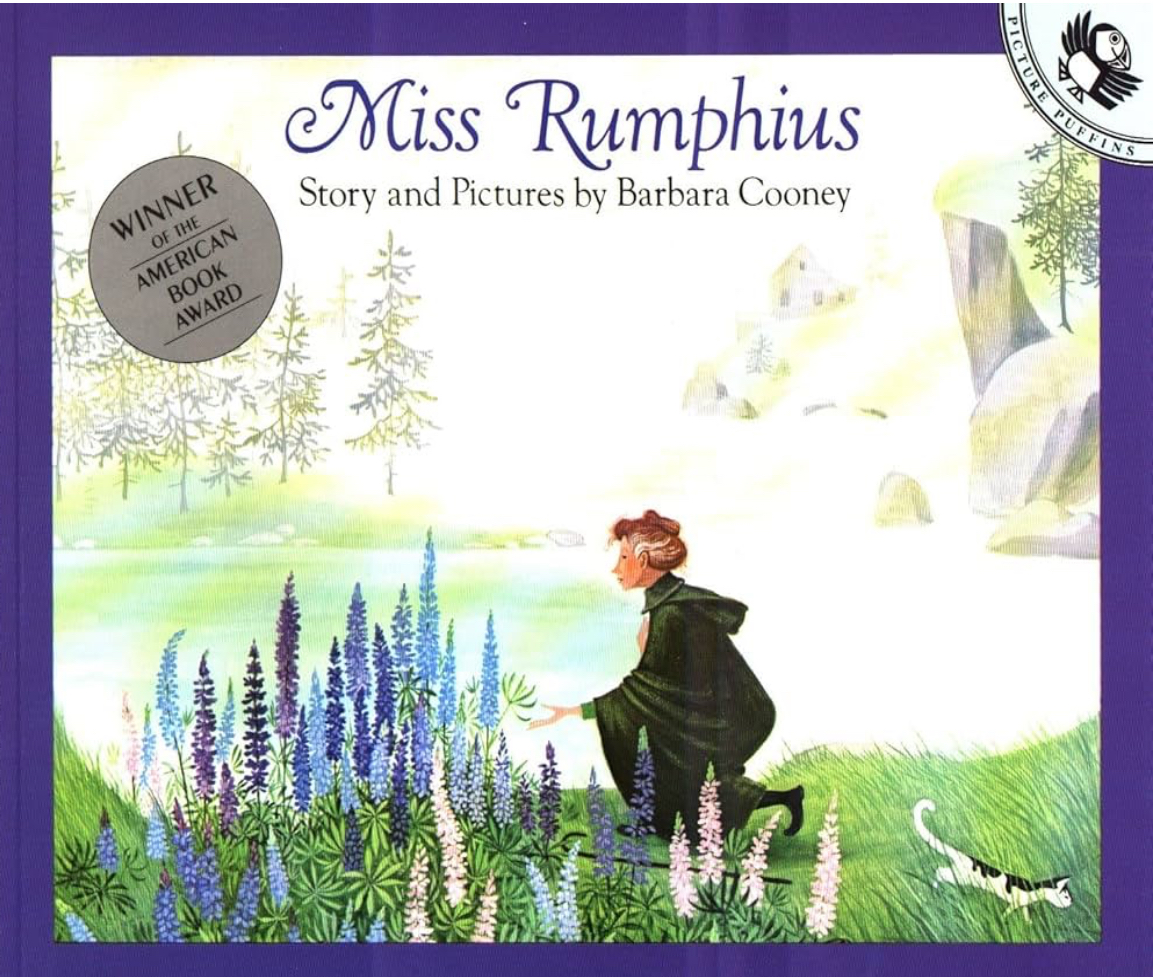
Miss RumphiusBarbara CooneyThe Lupine Lady plants flowers everywhere to make the world more beautiful.
The GardenerSarah StewartA young girl brings joy to a grey city by planting rooftop flowers during the Great Depression.
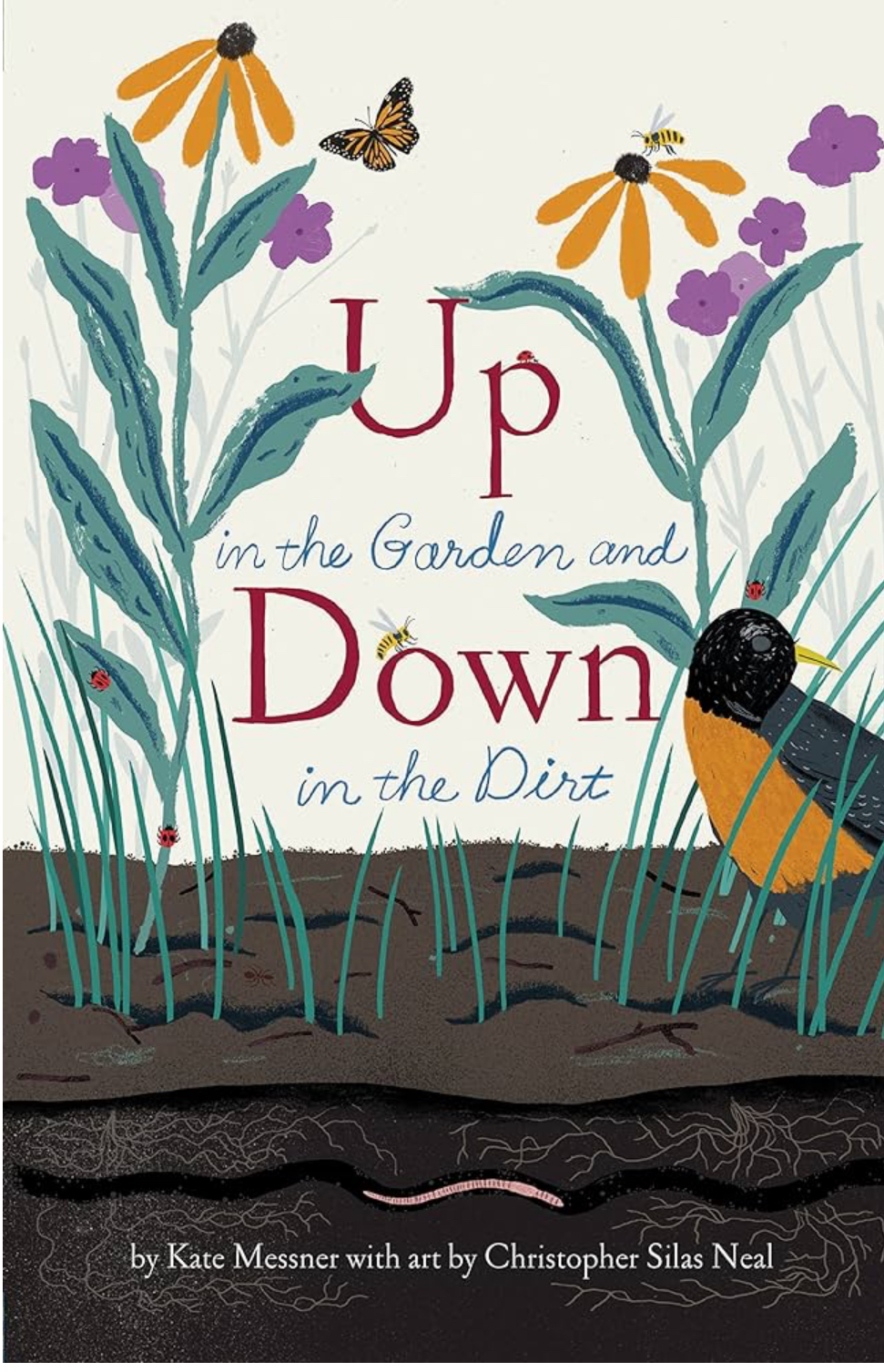
Up in the Garden and Down in the DirtKate MessnerExplores the garden as an ecosystem above and below ground.
Errol’s GardenGillian HibbsA diverse community comes together to build a shared garden in a block of flats.

Gardens in Literature

Learning Resources

Soil

Soil and composting resources page 

Sensory Gardens

A sensory garden is a collection of plants and elements designed to stimulate the senses, foster observation skills, and encourage emotional and sensory development. It supports learning in science, design, literacy, and sustainability education.

Sculpture & Art In in Gardens

Famous Arts – Henry Moore/ Monet 

Vertical Gardens

Vertical gardens are space-saving gardens where plants grow upward on walls or structures, using soil, felt, or hydroponic systems, often seen in urban environments.

Memorial Gardens

This links with war Topics and dealing with grief 

How are memorial gardens sustainables 

Water in Gardens

Water gardens are gardens that feature aquatic plants and water elements like ponds, fountains, or streams, designed to create a natural habitat, support biodiversity, and offer a calming, reflective space.

Rewilding
Outdoor learning
Oggie
Phenomenon Questions for Gardens

A great way to start critical thinking 

Topic Webs for Gardens

Early Years
Lower Primary
Upper Primary
Scroll to Top