Water

Water in Our Biosphere

Water in our biosphere is the lifeblood of the planet, covering 71% of Earth’s surface and existing in oceans, rivers, lakes, glaciers, groundwater, and the atmosphere. It sustains all life, acting as a habitat for countless species, a resource for humans, and a critical component of Earth’s climate and weather systems. Through the water cycle, water continuously moves between land, air, and organisms, maintaining the delicate balance that supports life.

Visit our other water linked resources

Ocean ,Marine and
Coral reefs
Eat
Scottish Shellfish
Aquaculture and Agriculture
ChatGPT Image Mar 11, 2026 at 11_27_13 AM
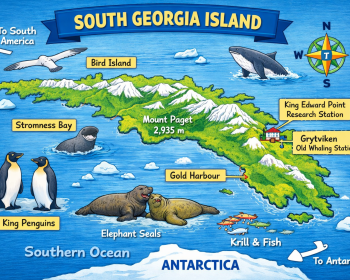
South Georgia
Screenshot
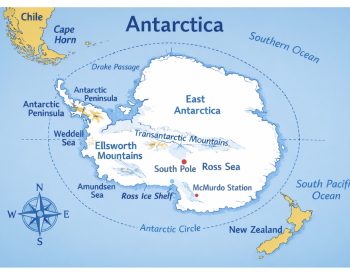
Arctic and Antartica
Aqua

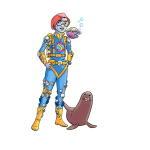
Our page of more water information by Aqua the Earth Steward

World Water Day

Our package

World Water Day

United Nations Link 

Be Earth Stewards of Our Water
Information

Clean Water Supply

Preventing pollution of rivers, lakes, and oceans to ensure safe drinking water and healthy aquatic ecosystems

Water Resources

Conserving freshwater supplies to prevent shortages and support agricultural and industrial needs sustainably.

Marine and Aquatic Biodiversity

Protecting the habitats of species that depend on oceans, rivers, and wetlands.

Wetlands and Natural Filters

Preserving ecosystems like wetlands and mangroves that filter pollutants and act as buffers against flooding.

Climate Resilience

Managing water systems to adapt to and mitigate the impacts of climate change, such as rising sea levels and droughts

Reduce Pollution

Avoid single-use plastics, properly dispose of hazardous materials, and support efforts to clean up polluted waterways

Conserve Water

Use water wisely by fixing leaks, turning off taps when not in use, and adopting water-efficient technologies in homes and businesses

Protect Wetlands and Ecosystems

Support conservation projects, avoid draining wetlands, and advocate for the protection of natural water systems

Prevent Runoff

Use sustainable farming and gardening practices to reduce chemical runoff into rivers and streams

Chemicals in Water

Ocean Carbon Capture Resources

Fact Cards Carbon Capture
Carbon Capture Vocab
Carbon Capture Quiz

The chemicals which are part of the natural processes such as the water cycle and nutrient cycling, which support aquatic ecosystems. 

Human activities can alter their concentrations, leading to water quality issues such as contamination, eutrophication, or toxicity


1. Common Chemicals in Natural Water

Oxygen (O₂): Dissolved in water, essential for aquatic life.

Hydrogen (H₂): As part of water molecules (H₂O).

Carbon Dioxide (CO₂): Dissolved in water, contributes to acidity and is used by aquatic plants in photosynthesis.

Nitrogen (N₂): Found dissolved in water and important in aquatic ecosystems.

2. Mineral Salts

Sodium (Na⁺) and Chloride (Cl⁻): Found in significant amounts in seawater, making it salty.

Calcium (Ca²⁺) and Magnesium (Mg²⁺): Present in freshwater, responsible for water “hardness.”

Potassium (K⁺): An essential nutrient found in small amounts in natural waters.

Bicarbonate (HCO₃⁻): A buffering agent that stabilises the pH of water.

3. Trace Elements

Iron (Fe): Found in many water sources, important for aquatic organisms but can stain surfaces.

Manganese (Mn): Often found with iron in groundwater.

Zinc (Zn), Copper (Cu), and Selenium (Se): Found in trace amounts, essential for life but toxic in high concentrations.

4. Gases

Methane (CH₄): Found in certain water bodies due to decomposition of organic material.

Hydrogen Sulfide (H₂S): Produced in water under low-oxygen conditions, often in swamps or deep wells.

5. Naturally Occurring Compounds

Silica (SiO₂): Found in water from weathered rocks and used by certain aquatic organisms like diatoms.

Fluoride (F⁻): Naturally present in groundwater in some regions and beneficial for dental health in small amounts.

6. Organic Compounds

Humic Substances: Organic molecules from decomposing plant matter that give water a brownish tint.

Dissolved Organic Carbon (DOC): Organic matter found in natural waters

Scroll to Top